
12-day Trip to Guatemala
Walk through the misty cloud forests and huge Maya kingdoms on this long twelve-day journey. Connect with local native cultures and sail across beautiful Lake Atitlan.
Unspoiled lakes, lush jungle and Caribbean vibes.

When you join our 12-day trip to Guatemala, you’ll be traveling in style with private transport, and our local guides will show you the ropes. You’ll be staying in boutique hotels right by the lake, in the rolling coffee-covered hills around Cobán, near the awe-inspiring ruins of Tikal, and in the lush rainforest of Río Dulce. We like to think of this trip as off the beaten path – designed for travelers who don’t just want to see the sights, but actually experience the real Guatemala.
Our itinerary includes boat rides, village visits, soft hikes, optional volcano excursions, and plenty of time to soak up the views, street food and those special moments that only come along when you’re on the road.
Antigua Guatemala
Step into colonial splendor
Semuc Champey
Where water meets wonder
Rio Dulce
Your Caribbean getaway
Tikal
Where pyramids meet the sky
12-day Trip to Guatemala: Highlights
We start in Lake Atitlan. This stunning volcanic crater lake is surrounded by three majestic volcanoes. Second stop is the incredible colonial town of Antigua Guatemala. Its cobbled streets, pastel facades and Baroque ruins will take your breath away.
Next is the cloud forest around Cobán – one of the lushest areas in the whole country. Here you’ll have the chance to visit Semuc Champey. Here the river flows over it and then goes underground, leaving behind a series of turquoise swimming pools.
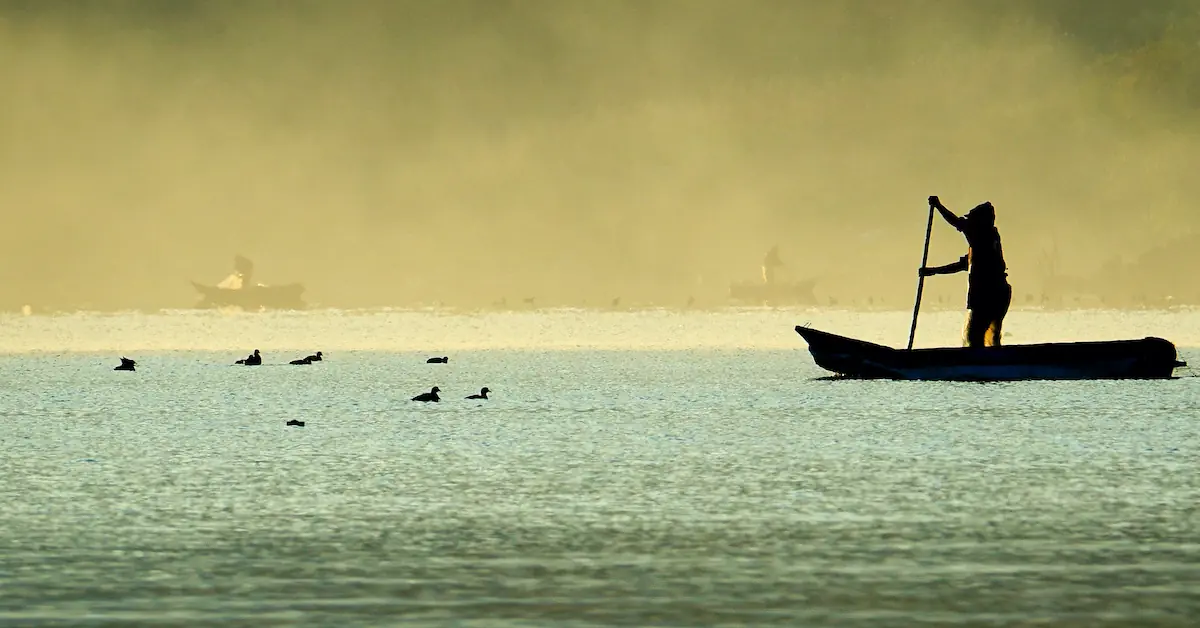
You’ll get to take a refreshing dip in the waters of Crater Azul. We’ll also take a trip to the legendary Maya city of Tikal, which rises dramatically above the jungle canopy. Finally, you’ll get to travel along the Río Dulce, a warm river that runs between Lake Izabal and the Caribbean.
When you arrive at La Aurora International Airport, one of our guides will meet you and we’ll get you on the road to the highlands – and specifically, Lake Atitlán. As you drive higher up, you’ll notice the air getting cooler, and the roadside vendors selling all sorts of tasty treats like grilled corn and fresh fruit. Along the way, you’ll pass through big fields of maize and coffee growing on the steep sides of the road. The final stretch down into the lake basin is just amazing – the view suddenly opens up to reveal a massive crater filled with water and surrounded by the towering volcano peaks of Atitlán, Tolimán and San Pedro.
You’ll get settled into your hotel right on the lakeshore. For the rest of the day, just take it easy – watch the wooden boats plying the water between villages, listen to the roosters and church bells across the water, and maybe even treat yourself to a first Guatemalan coffee as the sun sets behind the volcanic skyline. If you feel like taking a stroll or having a simple dinner at a local comedor, that’s perfectly okay after a travel day like this.
- Two nights in Lake Atitlan
We’ll get you down to the dock for breakfast and then board a private boat for a day on the water. Our first stop is San Juan La Laguna, a Tz’utujil village that’s famous for its colorful murals painted by local artists, and the weaving cooperatives that use natural dyes and organic cotton. You’ll get to see how backstrap looms are still used to produce those incredible embroidered huipiles and shawls that women wear every day. And we’ll learn a bit about the plants used to create deep blues, reds and earth tones, and how weaving patterns can signal where someone comes from or if they’re married.
From San Juan you make your way to San Pedro La Laguna – a town that’s got a bit more life to it and is nestled right at the foot of the San Pedro volcano. There are loads of Spanish schools around, plus lakeside cafes and small markets – it’s got a vibe that’s pretty laid back and student-y. You can hop up to a viewpoint over the bay and get a great view, grab a taste of freshly roasted local coffee, or just plonk yourself in the main square and see people going about their day.
In the afternoon the boat chugs around to San Marcos La Laguna, which is a bit quieter but is home to loads of yoga centres, meditation spaces and some tiny wooden jetties that stick out into the lake.
You leave the lake behind this morning and head back through the highlands towards Antigua Guatemala – a city that was once the capital of the Spanish Captaincy General. Though largely abandoned after a series of massive earthquakes in the 18th century, the city still boasts perfectly restored churches alongside crumbling cloisters where you can actually see trees growing out of old stone. As the city is nestled in a valley surrounded by the massive Agua, Fuego and Acatenango volcanoes, almost every street has a dramatic backdrop.
In the afternoon, you’ll join a walking tour with your guide through the historic centre of the city. You’ll see the main plaza, framed by the beautiful cathedral and former government buildings; walk under the famous Santa Catalina Arch; and sneak into a couple of ruined monasteries, where you can catch a glimpse of quiet courtyards and faded frescoes that give a glimpse of how grand Antigua must have been in its heyday.
Along the way, you can pop into a jade workshop to learn why this stone was so important to the Maya, or a tiny chocolate museum that takes you step by step through the process of turning cacao into bars – and of course, there will be tastings! You’ll have the rest of the day to do your own thing – try out some of the local cafes, enjoy a drink on a rooftop bar or just take in the light on the surrounding volcanoes.
- Two nights in Antigua
Today you get to choose – do you want to get your hands dirty on a volcano, or experience the laid-back atmosphere of one of Guatemala’s lesser-known towns?
Option 1: Pacaya volcano
Pacaya is one of the country’s most active volcanoes – and uniquely, one of the easiest to get up close and personal with. After a drive to the start of the trail you’ll hike up through pine forest and older lava flows – with great views back down to the Pacific coast on your way up. As you get closer to the active area, the ground gets hotter and the air is filled with the smell of ash. We’ll bring marshmallows or pizzas to warm up over the heat, and make some new friends on the way!
The hike itself is pretty straightforward – but it’s a proper walk, and you’ll be taking in views of the volcano, the rock and the earth that you won’t forget. You’ll be back in Antigua by late afternoon with time to put your feet up and enjoy a relaxed dinner.
Option 2: Colonial valley towns
If the idea of hiking a volcano doesn’t hold any appeal, then your guide will take you on a day trip to some of the smaller towns that make up the Panchoy Valley. San Juan del Obispo sits on the side of Volcan de Agua, and you can visit a family-run chocolate workshop or try out a local liqueur made from a fruit you’ve probably never tasted before. San Antonio Aguas Calientes is where you can see women weaving on their own looms in front of their houses, and the local market is one of the best places to see some of the incredible textiles on show.
Depending on how much time we’ve got and how much you want to see, we can add in a visit to Ciudad Vieja, or explore one of the local macadamia farms – the perfect place to learn about the nuts and get your hands on some of the local goodies.
This morning we leave Antigua and head north into Alta Verapaz, where the landscape really starts to change. The further you drive, the steeper, wetter and greener it gets. Before we get to our final destination, we’re making a stop at Ram Tzul – a natural reserve that’s home to some incredible waterfalls and hidden forests. The name of the place roughly translates to “spirit of the mountain”, and as you hike down through the dense forest, that’s exactly what you can feel. Towering ferns, moss-covered trunks, bamboo – and of course the sound of water getting louder and louder until you reach the waterfall, tumbling down into a clear pool at the bottom of a gorgeous gorge.
Ram Tzul is especially geared up to help protect the local environment, including spotted resplendent quetzals, which are pretty shy birds & a great place to get the blood flowing after a long time in the car. After hiking and a nice lunch at the lodge restaurant, you continue on to Cobán – the regional capital of this neck of the woods. Cobán itself is a highland town with a pretty cool climate, a strong coffee culture and a rich history tied in with the German coffee farmers who came here back in the 19th century. In the evening you can take a stroll around the central plaza, sample some of the local coffee or hot chocolate and get a real feel for what life is like in this part of the world, which is often overlooked.
- Two nights in Coban
Today, we’re off to Semuc Champey, nestled away in the hills near Lanquín. The last bit of road to get there is a bit rough, but that’s all part of the fun – you’ll pass through some small Q’eqchi’ villages where the kids wave from doorways and there are steep, forested slopes that hint at what a treat is in store for you. When you get inside the protected area, you can either make a beeline for the pools or take the steep but well-marked path up to the lookout. From up top, Semuc Champey looks like a series of bright turquoise steps jammed in between the green hills, with the main river disappearing off into a big dark canyon below.
After taking in the view, you head back down and spend the rest of the day swimming in the pools themselves. Each one is a bit different in terms of how deep and wide it is, the water’s clear enough to see the pale limestone under your feet, and small fish dart around your legs. Locals bring picnics and find quiet spots on the rocks to relax. You get some time for a simple lunch, more swimming and short walks along the river. If you want we can add a visit to a nearby cave or a bit of tubing on the river; or just find a warm spot on a boulder and listen to the sound of water going by. In the late afternoon you head back to Cobán for a second night.
You get up early, leave Cobán and head down to the lowlands of Petén, where the landscape changes again: the trees get taller, the air gets warmer, and there are roadside stands selling fresh pineapple and coconuts. On the Río La Pasión you find a small motorboat that takes you along a quiet stretch of river, then turns into a side channel with the branches of trees hanging over it. At the end of this little channel lies Crater Azul – a circular spring whose water is so clear and bright blue you can see long fronds of plants waving away at the bottom.
You’ll have loads of time to swim, snorkel or just bob about and look up at the sky. The place has a pretty mellow, almost secret feel to it – no big infrastructure, just some wooden platforms, a few simple shelters and the sound of birds rather than people most of the time. After a relaxed time there and a simple picnic or lunch, you hit the road to your chosen base in Petén. You can stay on Flores Island, with its colourful houses and lakeside restaurants; in a quieter village on the shores of Lake Petén Itzá, such as El Remate; or in a jungle lodge closer to Tikal, where howler monkeys and tropical birds might just wake you up in the morning. We normally suggest the option that best suits your pace and what you want to do the next day.
- Two nights in Peten
You get up early and head into Tikal National Park, which is one of the most important Mayan sites in the region and a big protected area of tropical forest. As you walk around with your guide, temples and pyramids start to rise out of the jungle – some are fully excavated, others are still half-hidden in trees. You’ll visit big complexes like the Gran Plaza, where two massive temples face each other across a grassy courtyard, and climb one or two structures to get a great view out over the jungle.
Tikal is almost as much about wildlife as it is about archaeology. Along the paths you might see families of spider monkeys swinging through the trees, hear the deep calls of howler monkeys and spot brightly coloured ocellated turkeys strutting along the paths as if they owned the place. Your guide will help you make sense of the carvings, explain how the city was organized and point out all sorts of interesting plants and animal tracks. In the afternoon, on the way back, you stop in El Remate on the eastern shore of Lake Petén Itzá and grab some lunch at a lakeside restaurant and a swim from some wooden docks where the water is usually pretty calm and warm. Later on, you head over to Flores Island for a relaxed night in this small, walkable town.
Today you drive southeast towards Río Dulce, following the signs that lead you through the landscape to where Lake Izabal empties into a river that flows all the way to the Caribbean Sea. As you arrive, you notice the atmosphere is different again – wooden houses on stilts, tiny marinas and a mix of Maya, Ladino and Garifuna communities that seem to be more connected by water than by road. You check into your riverside lodge or hotel, get settled, and then head out by boat to visit the Castillo de San Felipe de Lara – a stone fortress that’s been standing there since the 1600s. It was built to protect the inland trade routes from pirates and smugglers.
You can walk along its ramparts, explore the small interior rooms and just imagine what it was like to be a guard standing watch over this narrow entry point between lake and river centuries ago. Local guides love to point out the cannon placements and tell stories of captured ships and smugglers. Back at your lodge, you’ve got the rest of the day to do as you please: go kayaking, watch pelicans and herons from a hammock, or just sit back and enjoy the quiet of being surrounded by water and jungle.
- Two nights in Rio Dulce
The best way to get a feel for Río Dulce is to follow it all the way down to the sea, which you can do by hopping on a boat this morning. As you cruise downstream, you see the bridge go by, then some hot springs bubbling away at the river’s edge, and eventually find yourself in a steep-sided gorge where limestone cliffs rise up on both sides, covered in vines and trees. You’ll pass some fishing boats, see logs drifting by, and catch a glimpse of the occasional pelican. Kingfishers and egrets will also be hovering around the shallows, looking for their next meal.
Eventually you’ll come to Livingston, a town that can only be reached by boat and is at the heart of Guatemala’s Garifuna community. The Garifuna people have a unique culture that’s a mix of African and Indigenous influences, with their own language, music and traditions. You’ll hear the beat of drums and punta music floating out into the streets as you walk with your guide through the town.
You might stop by a bakery to pick up some coconut bread, and then sit down to try tapado – a hearty soup made with coconut milk, plantains and mixed seafood. It’s a real showstopper – rich, fragrant and a signature dish of this coast. After some free time to explore or sit by the shore, you’ll head back upriver in the afternoon, feeling the warm breeze in your hair and watching the river surface turn a beautiful golden colour as the light starts to fade.
It’s time to leave the river and head back up the highway to Quiriguá – a compact archaeological site that’s nestled in a grove of trees and surrounded by banana plantations. What makes Quiriguá so special isn’t its size, but its stone monuments – tall, thin sandstone stelae carved with detailed portraits of rulers and bands of hieroglyphics that are just packed with information.
Some of these stelae are among the tallest in the Maya world, and when you stand next to them, you can really get a sense of the scale and skill that must have gone into carving them.Your guide will take you through the Great Plaza, explain how Quiriguá’s rulers used to record key events in stone, and point out some zoomorphic sculptures that blend animal, human and divine forms together.
After the visit, it’s back on the road to Guatemala City – the country’s bustling capital. Depending on the timing, you might take a short drive through the historic centre to see the main square, the Metropolitan Cathedral and the National Palace before heading to your hotel near the airport. And to round off your Guatemalan adventure, a final dinner of grilled meats, pepian or another traditional stew makes a great way to say goodbye to the country.
It’s time to head back to the airport and the driver will pick you up at your hotel and take you to La Aurora International Airport. With the volcanic silhouettes, jungle sounds and river breezes still fresh in your mind, you check in for your onward flight and say goodbye to Guatemala for now.
map, expenses & price
Expenses included:
-All private transportation.
-11 nights of hotel accommodations.
-Tours and excursions as listed.
-All park entrance fees.
-Professional local guides.
-Boat transfers
-Daily breakfast
add-ons
ADD-ON
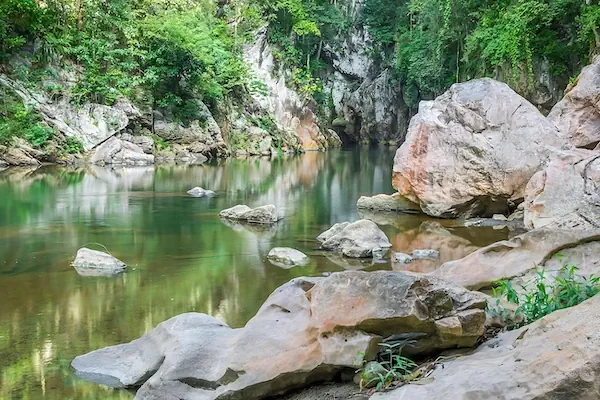
If you’d like to spend a bit more time on the east coast, it’s easy to add a day or two around Lake Izabal. One popular combo links El Boquerón, Seacacar Nature Reserve and Finca Paraíso, three places that are all within a short drive of each other. El Boquerón is a narrow limestone canyon that’s been carved out by a small river. The river flows through sheer walls of rock that are covered in green, and the sound of birds echoing off the rock is just incredible. On the days when it’s quiet, it feels like you’re stepping into another world.
A short drive away you’ll find the Seacacar Nature Reserve – a community-led project born from the efforts of the Q’eqchi’ Maya of Seacacar village. Its simple eco-cabins perch on a hillside above the Río Sauce, while local guides offer a variety of adventures like hiking, tubing and canoeing through a less well-known section of the canyon. By spending time out here, you’re supporting a rural community that’s made a mindful decision to focus on conservation and small-scale tourism instead of the more extractive options.
To round off the area, Finca Paraíso has a natural wonder on offer: a hot waterfall that flows into a cool river. The water’s heated by underground geothermal activity and tumbles over a rock ledge into the main river below, creating pockets of warm and cool water where you can soak, swim and sit under the falls like a powerful hot shower.
Locals often smear mineral-rich mud from the riverbank on their skin, let it dry in the sun and then rinse off under the warm cascade – it’s a simple, earthy way to unwind. Combining these three stops makes for a full yet balanced day of exploring the canyon, meeting the locals and having some natural spa time.
add-on
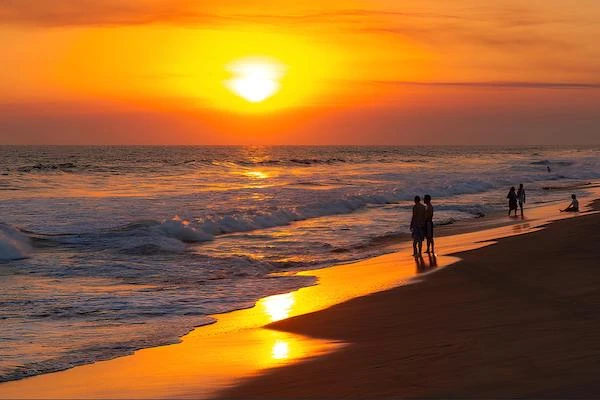
If you’d rather finish off your 12-day trip to Guatemala with some beach time and black sand instead of a city night, the Pacific coast is a pretty easy add-on. El Paredón is a tiny village at the end of a dirt road, famous for its consistent surf breaks and laid-back vibe.
Mornings are usually spent either learning to surf or getting some early sessions in for those who already know the ropes; afternoons drift by in hammocks, small cafes and sunset walks along a beach that just seems to go on forever. There are no skyscrapers here, just low-key hotels and the soothing sound of the ocean.
Some time from mid-year through the end of the rainy season, turtle conservation projects around El Paredón will sometimes invite visitors to help out with releasing hatchlings at dawn or dusk – all part of community efforts to protect the nesting beaches. It’s a pretty simple thing to do – cup a tiny turtle in your hands, gently put it on the sand and watch it flap its way to the waves – but one that tends to stay with you long after you’ve left.
Further along the coast, Monterrico offers a similar black-sand beach with a slightly different feel. The town sits near the entrance to a protected mangrove area where small boats head out at sunrise, gliding through channels all tangled with roots and birdlife.
Turtles also nest on Monterrico’s beaches and local hatcheries are working to find a balance between traditional egg collection and conservation; during the main nesting season (usually around June/July to December) there are often supervised releases of baby turtles here too.
The Pacific here can be pretty powerful, with strong currents and big waves, so it’s more of a place for careful dips, boogie-boarding, surf lessons and long walks rather than floating about. But as a place to unwind and relax at the end of an active itinerary – watching the sun set straight into the ocean while the sand still radiates warmth through your feet – it’s really quite hard to beat.
add-on
If you’re especially interested in Maya history, a side trip to Copán in neighbouring Honduras is a natural fit after visiting Tikal. The town of Copán Ruinas is just the other side of the border and has a friendly, small-town kind of atmosphere: cobbled streets, cafes and guesthouses all clustered together within walking distance of the archaeological site. From here you get to visit the ruins of Copán, often described as the artistic capital of the Maya world.
Instead of the massive pyramids you’ll usually find in other Maya sites, Copán is famous for its intricately carved stelae and sculptures, lots of which show the rulers wearing detailed headdresses and fine clothes, and its hieroglyphic stairway – where the steps are covered in carved symbols.
Walking among these monuments with a guide gives you a real sense of how carefully these kings recorded their stories in stone – dynasties, alliances, victories and setbacks all encrypted in symbols.
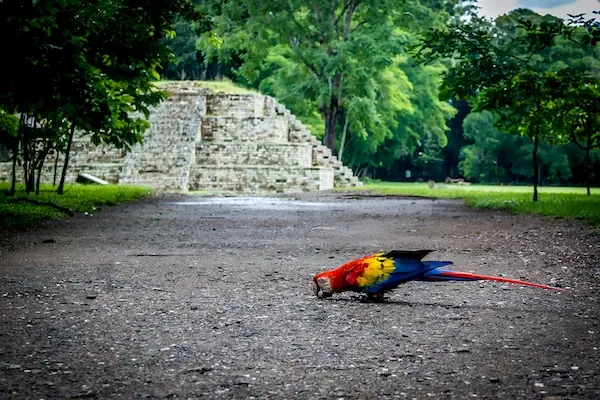
A full visit usually includes the main plazas, the ball court with its stone macaw heads and the on-site museum, where you can see a full-scale replica of an earlier temple and get an idea of how brightly painted and elaborately decorated these structures once were.
You can choose to add a visit to the nearby bird park Macaw Mountain Reserve, where rescued scarlet macaws and other species fly around large, leafy enclosures; seeing those birds wheeling overhead above the ruins – a bird that appears so often in Maya art – ties the whole experience together in a very satisfying way.
With one or two nights in Copán Ruinas you have just enough time to explore the site at an easy pace and still get a feel for the town before heading back into Guatemala and continuing your journey or making your way home.


