
Trip to Mexico, Guatemala and Belize
Join an amazing adventure for ultimate archaeological treasures. Find forgotten limestone cities, listen to the exotic forest animals, and discover an ancient mystery.
Mayan Treasures.
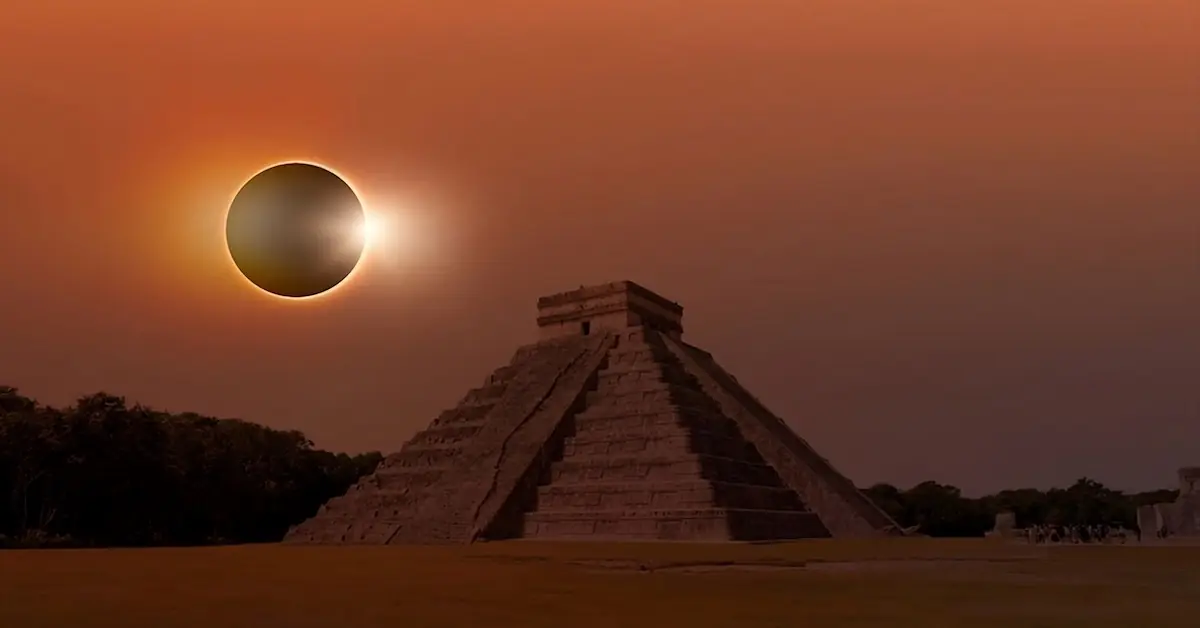
If you’re after a trip to Mexico, Guatemala and Belize that packs a serious punch, but doesn’t feel like one of those frantic, out-of-control holidays, then this is the trip you’ve been searching for. We’ve put together a journey that has a bit of feel-good magic to it – each new stop just flows into the next one, so you’ll be able to relax a bit and take your time, no need to rush to keep up.
There are trips that just give you a load of places to tick off on a map. Then there are the ones that actually tie it all together, so you’re not just sticking pins in a map, you’re actually experiencing it all as one. This one does that for you. We start off gently on Mexico’s Caribbean coast, so the heat and all the time zone changes don’t catch you off guard. From there we head inland to the Yucatan’s ancient limestone cities, proper temples, ball courts and cenotes – not just some tourist attractions, but the real deal.
Next up, you find yourself in Chiapas, where the jungle gets thicker and Palenque feels like it’s just been waiting for you to turn up, rather than just being somewhere to visit. Then it’s off to Peten in Guatemala with its dreamy evening lake views in Flores, a go at the stunning Tikal ruins, a sunrise that’ll leave you speechless for years – I’m talking genuinely speechless – and the quieter, but no less beautiful, Yaxha. We round the whole thing off in Belize, where you get to do some river and jungle archaeology that you simply can’t access any other way – and the only way to do it is by boat – which is the best way to do it. We finish off in Mexico, with some final treasures in Bacalar, Tulum and Cozumel to tie everything off.
Coba
Whispers of the Ancient Maya
Cenotes
Cool off in a crystal cave
Palenque
Uncover the secrets of the Maya
Tulum
Ruins by the sea
Highlights
You’re in for a treat as you see just how different the Maya cities are from one another. Chichén Itza is the real showstopper – it’s bold and in-your-face, built to make a statement. Uxmal on the other hand is like a masterclass in design – its intricately carved stonework is especially impressive once you take the time to look. Kabah stands out from the rest though, with architecture that’s positively obsessed with the rain god’s face – it feels like some kind of massive prayer that’s carved into the very walls of the place.
Then suddenly you’re in Guatemala and things change completely. Flores is a tiny place but still easy to get around – and just so happens to be near where the last Itza strongholds still stand – Peten has always felt like a different little world. Tikal is definitely one of the most mind-blowing places you’ll visit – it’s not just ruins in the jungle, it’s a proper jungle city that was swallowed up by the forest for centuries. Watching the sunrise there is like getting your own private nature documentary. Yaxha is the perfect antidote though – it’s got fewer visitors, long causeways and views of the lake from a temple that literally takes your breath away.
Itinerary
You land at Cancun International Airport, meet your guide and transfer to your hotel on the beach. Keep things simple on the first day – a stroll along the sand, something cold to drink and an early night if you want to.
Cancun’s not as old as you might think – much of it was planned as a modern resort destination, rather than growing over time like some other places. But the geography is timeless – you’re stuck between the open sea and a lagoon, so the light bounces off the water all day.
- One night in Cancun
We head to Chichen Itza nice and early, before the heat and the crowds. It makes the whole visit so much smoother and, honestly, calmer.
Your guided walk will focus on the main monuments and what they were actually for. El Castillo isn’t just a pyramid, it’s a calendar carved out of stone and the famous equinox shadow is a reminder that these ancient lot were serious about astronomy. You’ll also get to spend some time at the Great Ball Court, where the sheer size is stunning and the acoustics can almost feel engineered. Plus, you’ll see other important bits that show how the city was a big deal, how they handled politics and public life and just how all that fit together.
After the ruins you’ll be visiting the Sacred Cenote area and then take a refreshing swim in a cenote that is open to bathing. You might be surprised to learn that the Yucatán has remarkably few rivers on its surface – most of the region’s fresh water actually flows underground through the limestone. Cenotes were a lifeline for the local people long before they became a highlight for adventurous travelers.
In the afternoon you’ll be making the trip to Mérida. The city has a delightfully refined feel to it – albeit one that’s layered with history – since it was built on top of an older Maya settlement and parts of the city were even built using old stone from the pre-existing settlement.
- One night in Merida
Today is all about the Puuc region, and the vibe takes a noticeable shift. Uxmal has a clean and architectural feel to it – big courtyards, crisp lines, and intricate stone work that really rewards a bit of careful attention.
You’ll be exploring the main ceremonial areas, which include the truly unique oval shape of the Pyramid of the Magician, plus various palace style buildings and big plazas that have stone work which becomes almost like a mosaic. Uxmal is also the perfect place to pick up on the fact that Maya cities weren’t just about grandiose displays at ground level – many of the structures actually align with celestial patterns and navigation logic to help you make your way through the site.
Next up, you’ll head to Kabah, a smaller site with one truly unforgettable focal point. You’ll be able to walk through the plazas and temple platforms, but what you’ll really remember is standing in front of the Codz Poop, which is sometimes called the “Palace of Masks”. The whole façade is covered in an incredible number of stone faces of Chaac, the rain god – hundreds of them. It doesn’t feel like just some decorative touch – it feels like an urgent plea or negotiation with the weather in a region where rain was absolutely crucial for survival. You’ll also get to see evidence of the extensive raised road engineering in the area – the kind of infrastructure that shows that these sites were actually connected communities, rather than isolated outposts.
Later in the day you’ll transfer to Campeche, a coastal city which had to put up a fight to survive. The walls and bastions weren’t built for their looks – they were put up because pirates were a real and present danger.
- One night in Campeche
This morning you’ll be taking a tour of Campeche’s walled historic center, which is probably one of the most characterful colonial cities in Mexico.
You’ll be walking through the old town around Plaza Principal, visiting the Cathedral, and getting a history lesson on the old fortification systems at landmarks like Puerta de Tierra and Puerta de Mar —which were the gateways to the protected core of the city. You’ll also see the defensive bastions and corners where the city kept an eye on the sea. The best part is that Campeche doesn’t feel like a museum – it feels like a real place that’s still lived in. Streets like Calle 59 are still part of the daily life in the city – cafes, families, evening strolls – just behind a city that has a layout shaped by centuries of looking over its shoulder.
After the tour, you’ll be off on the road to Palenque, and the landscape will change as you go. You’ll be leaving the light of the coast behind and heading into the deeper green of the jungle.
- Two nights in Palenque
Palenque is one of those places where not only the history, but also the setting, comes alive to tell its own story. The jungle doesn’t just sort of wrap itself around the ancient site, it’s a whole lot more in your face – or at least it feels like it is.
Your tour guide will take you through the main ceremonial and palace areas. The Temple of the Inscriptions is the big deal – that’s where they found the tomb of Pakal, a find that sent shockwaves through the way we thought about Maya rulers – from being a bit of a mystery to being named dynasts with full-on histories, not just random important-sounding names.
You’ll also get to explore The Palace, with its courtyards, corridors, and some seriously unusual tower-like structure that hints at what the Maya actually went about running their cities – the ins and outs of governance, and all that comes with it, not just the ritual stuff. Another thing to keep in mind is that Palenque’s builders put a whole lot of effort into water control, using canals and made-up water features to tame the real downpour that comes with living in a wet environment.
This afternoon, you’ll be off to Misol-Ha, a nice wide waterfall in a lush forest. You can take a dip if you like – if the path is clear, walking behind the waterfall is a great way to get a quick change of pace – suddenly everything feels different, cooler and quieter, and a bit more like your own private world all of a sudden.
Today you’re off into the Petén region of Guatemala and into Flores, a nice little island town right in the middle of Lake Petén Itzá. Flores has a bit of a laid-back charm to it, but if you scratch the surface, you’ll find that beneath that laid-back vibe lies a region that really went through some pretty rough times. Petén has a direct connection to the last Itza strongholds in the lowlands and you can bet on picking up on that feeling of ‘we liked to do things our own way’ in the way people move and the way the place is put together.
Later on, you head out on Lake Petén Itzá by boat. It’s not a quick whizz around the island, but a nice leisurely cruise along the shore. You see Flores from all the best angles, from the water that is. Then you make your way over towards the San Miguel / Tayasal side where you can get some fantastic views of the island and the lake basin.
If you’re after something more than just taking a look at the view, you can pop into ARCAS, a wildlife rescue centre just a boat ride from the shore. They do some serious conservation work there, which is pretty cool, and it’s a great way to learn something new during your trip. When the lake is dead calm, and then the sun starts to set – a quick dip in the water is a perfect way to round off the day. Yeah the air’s warm, but the water’s cool, and there’s just something magical about watching the light fade slowly, like the whole place is floating on air.
- One night in Flores Island
You’re off to Tikal today, and the whole experience is designed to be one of discovery – not some mad dash around the site.
First, you find yourself in the midst of the forest – the shade of the trees above, the calls of birds in the distance, the sense of movement through the undergrowth. Then, as you walk, the city starts to appear – gradually, slowly – and it feels like you’re stumbling upon something hidden. In the ceremonial heart of the city, the Great Plaza is the moment when you get a real sense of Tikal’s power. This was, after all, a place where the rulers of the city made their presence known. And in the Great Jaguar (Temple I), you can see just how important the dynasties that built this place were – this was their signature, their statement to the world. Then there’s Temple II, which looks out across the plaza in a way that’s just as deliberate – a visual statement that’s as much about politics as it is about architecture.
After that, you move on into the acropolis area, where the city feels like a living, breathing place – rather than just a collection of monuments to the past. You see the bits of the city that feel like they’ve been built up over centuries – the layers of history that you can sense in the stones – and the places that feel like internal courtyards and corridors. This is where the rulers and the elite lived – and worked. One of the most amazing things about Tikal is that it’s been mapped so thoroughly that you can see just how much of the surrounding area was built up over the years – even the bits that don’t seem as obvious. So, even when you’re walking between the famous landmarks, you get a sense that you’re crossing a city – not just walking through empty space.
You end the day back at your lodge near Tikal, where the sounds of the jungle in the evening are just incredible.
- One night in Tikal
This morning, you’re up early – and it’s the sort of experience that most people remember most clearly.
You get into the park before the sun rises, and you walk through the forest under the glow of your headlamp. The forest is like it’s holding its breath – the air is cool, the light is low, and there’s a quiet that’s not just silence, but a kind of stillness. Then, from a high spot, you wait for the sun to come up.
The sun rise experience is as much about the sounds as it is about the sight. First, the birds start to sing – and then the calls start moving through the trees. The howler monkeys start in the distance, rumbling like a storm brewing on the horizon. The mist lingers over the canopy, and as the light rises, the tops of the temples start to appear above the green – like islands rising out of the sea. Some days are crisp and clear; some days are moody and grey. But either way, it doesn’t feel like you’re watching the sunrise at a tourist spot – it feels like you’ve been let in on the jungle’s secret schedule, and you got to see it.
After that, you head back to Flores for a more relaxed afternoon.
- Three nights in Flores Island
Today, you’re off to Yaxhá – a Maya city with a very different feel to Tikal. The setting helps – Yaxhá is nestled between lakes, and the light is just stunning.
You get to explore its ceremonial zones – including the Central Plaza, the stelae areas and the connected clusters of structures linked by causeways. And then there’s the tall temple – commonly known as Temple 216 – where you get a great view of the lake and the forest around it. From up there, you can see the water changing colour as the sun moves – it’s one of those views that makes the name of the place feel really fitting – Yaxhá is often translated as ‘green blue water’, and from up there, you can see exactly what that means.
Yaxhá is a great choice for people who like a bit of space – the crowds are smaller than you’d find at Tikal, so you can take your time, and the views are just wonderful.
You get to choose what the pace of your day is today.
If you take the helicopter option to El Mirador, you’re going to get to do something that most people never even get close to. El Mirador is deep in remote forest – normally it takes a multi-day trek to get there. But by helicopter, you get to see the scale of the place first – the uninterrupted green stretching out in every direction, and you can’t help but feel a sense of awe at how much of this region is still really, really wild.
On the ground, El Mirador feels like a different chapter in Maya history. The centrepiece is La Danta – a temple that’s just massive – it rises out of the jungle like a man-made mountain. And you get to see the major complexes – the bits that hint at just how early and ambitious this place was – the architectural layouts that feel older and more solid than anything you’ve seen before. And the quiet is part of it too – there’s no nearby town, no constant movement. It’s just forest, stone and distance.
If you skip the helicopter, you’ll want to just hang out in Flores for a while, enjoy the Petén at a super relaxed pace: take a swim in the lake, grab a long lunch, go on another boat ride or just do … well nothing, really.
You cross into Belize and now find yourself in the San Ignacio area. Straight off, you can tell the vibe has shifted – English is widely spoken, the culture feels like a blend of Caribbean and Central American, and the landscape is bloody lush.
We will visit Xunantunich and one of the reasons people like it is because of the approach: a tiny little hand-cranked ferry carries you across the Mopan River. It’s a simple little thing, but still a working ferry, which is pretty charming. Then you start to make your way up towards the site’s core. The main pyramid, El Castillo, gives you some amazing views of the surrounding valley – it really does feel like it’s been positioned this way strategically, not just by accident.
One of the things that makes Xunantunich stand out is the level of detail that’s been preserved – some of the carved and stucco features are still looking pretty crisp, which is really quite surprising, and the faces and symbols still have a depth to them. And then there’s the name, which translates to “Stone Woman” and has a pretty cool local legend behind it – you don’t have to be into folklore to appreciate the human side of the place, though.
You’ll check into your lodge near San Ignacio after that.
- One night in San Ignacio
Today you head to Lamanai by the best way to get there: by boat.
You drive down to the river corridor and jump on a boat that takes you through some pretty cool jungle waterways – you might catch a glimpse of some wildlife, like birds, iguanas or even crocodiles. By the time you arrive, you’ll feel like you’ve travelled a bit, rather than just taking a trip somewhere.
Lamanai is pretty special because it was an important place for a lot longer than a lot of the other Maya cities – that continuity gives the place a really different kind of emotional weight, you know? It wasn’t just a boom-and-bust city; it was a place where people really hung around for a long time. You get to explore the main temple groups, check out the famous mask facades (which are actually pretty stunning up close) and climb up for some views when you can – the site name is often translated as “submerged crocodile”, which feels a bit less poetic after you’ve spent some time on the water and taking in the wildlife.
After the visit you carry on over to your lodge.
- One night in the Orange Walk or Belize districts
You head back into Mexico and now you’re in Bacalar, where people really start to unwind.
The Bacalar lagoon has a “seven colours” reputation, and honestly, it’s real – you get to see these bands of pale turquoise, deeper blue and green shifting as the water drops away. It looks almost lit from within – it’s not just one uniform colour; it moves with you. The vibe here is all about taking it easy: take a swim, hang out on the dock, get your eyes adjusted to the colours and just relax.
Bacalar’s also got something pretty unique: parts of the lagoon are home to stromatolites, which are living formations that date back to the early days of life on Earth. Because of that, some areas are treated with a bit more care, so Bacalar’s not just a beautiful place; it’s also one that you need to treat gently.
Later on you’ll transfer over to Tulum for some beach time.
- Two nights in Tulum
This is one of the days where you get to experience three different textures all at once: jungle, freshwater and coast.
You start the day off at Cobá, which is a Maya site that really feels like a forest city. It’s spread out and quiet in a way that makes you feel exploratory – it’s all green and lush, so you can just wander and take it all in. Cobá is also famous for its network of sacbeob, which are these raised white roads that used to connect the different groups in the region – you get to visit the main plazas and temple platforms, and get a feel for just how big the city must have been. (Be aware that climbing rules can change, so we keep that flexible – but the experience doesn’t rely on climbing, so you won’t miss out.)
Next you get to swim at Cenote Zacil-Ha, which is an open cenote with crystal clear water – it’s a great way to take a break in the middle of the day. And it’s pretty practical to have a look at the Yucatán’s underground water world while you’re there – because in a lot of this region, freshwater just doesn’t show up as rivers; it hides in the limestone until a cenote comes along and opens it up.
In the afternoon you get to tour the Tulum ruins, which feel unique because they’re coastal and walled – built to face the sea and protect the core. You get to explore some of the key structures – like El Castillo, the Temple of the Frescoes (which still have some painting in protected areas) and the Temple of the Descending God (which has this pretty cool upside-down figure in its decoration) – and just generally take in the place. Tulum isn’t the biggest Maya city on this trip, but it’s definitely one of the most distinctive because it’s a sea-facing trade city that still looks out to the routes that made it rich.
You’re leaving Tulum in the dust, hop on over to Playa del Carmen and before you know it you’re ferry bound for Cozumel. And let us tell you, this island feels like a breath of fresh air the moment you step off that boat. The water darkens as you sail further out, you can practically taste the salt in the air, and suddenly your day slows right on down to “island time”.
Cozumel is a little off the beaten path, tucked up just off Mexico’s Riviera Maya, but don’t get it twisted – it’s not just a beach extension of the mainland. No way – Cozumel is actually Mexico’s largest Caribbean island, with a split personality: the west coast, where all the hotels, beach clubs and the bustling town of San Miguel de Cozumel are centred (think calmer waters and sunsets for days), and the wilder, windier east coast, shaped by the big open waves of the Caribbean. Even if you’re just here for a short time, that rugged coastline will put things into perspective – Cozumel’s not just about luxury and comfort, it’s got real heart.
Now, you might’ve heard that the island’s biggest claim to fame is just offshore: Cozumel is part of the Mesoamerican Barrier Reef system, which is why snorkeling and diving are such a big deal here. And it’s not hard to see why – the currents round here are just right for creating a “drift” effect in the water, so you can just ease along the coral gardens rather than fighting to stay in place. It’s all super natural and effortless, rather than feeling like some kind of athletic event.
And of course there’s history here too – Cozumel’s been linked to the Maya for a thousand years, especially when it comes to pilgrims visiting Ixchel, a goddess all about fertility and healing. You can still feel that old magic in the air – so Cozumel’s not just “where you go snorkeling”, it’s a place that’s been drawing people in for a really long time, just for different reasons.
You’re gonna check in to your hotel, then you’ve got the afternoon all to yourselves. Grab a leisurely walk along the waterfront, grab some fresh seafood and watch the sky go all sorts of colours over the west facing shore. Easy nights like that are just what you need after a long day of island-hopping.
- Two nights in Cozumel
Today it’s your reef day and Cozumel has a pretty good track record on this one – its location on the edge of the Mesoamerican Barrier Reef, the world’s second-largest reef system, really puts it in the snorkeling sweet spot.
You head out with a local crew who knows the waters well enough to pick out the best snorkel sites based on the day’s conditions – how clear the water is, what the current’s doing, that sort of thing. Cozumel’s got a bit of a reputation for using a “drift” style of snorkeling, which is actually kind of nice once you get the hang of it – you just float along and let the water carry you past the coral, which is a lot less exhausting than trying to stay in one spot all day.
What you see while you’re out there depends on the day, but the best part is that no two trips are ever the same – coral gardens, sand patches where rays might be cruising underneath, schools of fish that seem to move as one, and a pretty good chance of spotting sea turtles if you’re lucky. The guide makes a big difference, of course – someone who knows what they’re doing can give you a clear briefing, keep the pace relaxed, and make sure you get enough time in the water so you don’t feel like you’re getting rushed back to the boat.
After all that snorkeling, you head over to Paradise Beach for the afternoon – it’s your chance to slow down a bit and not think too much about the next adventure – just lunch, warm sand, and a last long look at the Caribbean water before the trip wraps up.
You get back to Cozumel by ferry and then head to Cancun International Airport by road, getting on a flight home before the schedule gets too crazy.
map, expenses & price
Trip to Mexico, Guatemala and Belize
Expenses included:
-All Private transportation.
-Sixteen nights of hotel accommodations.
-Professional local guides.
-All park entrance fees.
-Tours and excursions as listed.
-Daily breakfast.


