
8-day Itinerary in Guatemala
Discover Guatemala on a beautiful eight-day trip. From Antigua’s historic streets to the ancient pyramids of Tikal, explore their rich history and stunning landscapes.
Exploring Maya kingdoms, lakes & black-sand beaches.
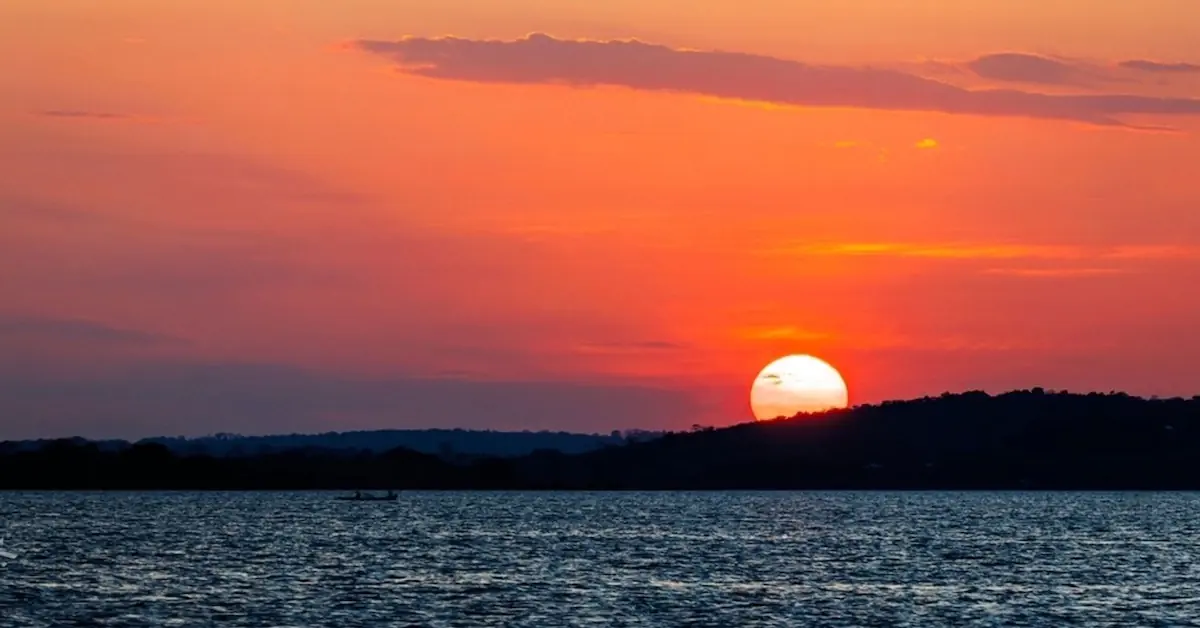
This 8-day itinerary for Guatemala is designed to be the way you’d actually want to travel: fly when it saves you hours, drive when the scenery is part of the ride and for goodness sake, don’t waste your best days stuck on some crummy bus connection.
You’ll start on Flores Island, use it as basecamp for Tikal, move on to Lake Atitlan for some straight-up local culture, pick your beach vibe in either El Paredón or Monterrico and finish in Antigua Guatemala with the city’s most iconic ruins, churches and viewpoints. And of course, wrap it all up with a farewell dinner that’ll feel like the perfect ending.
Flores Island
A colorful island oasis
Tikal
A Mayan metropolis lost in time
Monterrico
Guatemala’s volcanic beach escape
Antigua Guatemala
Iconic, historic walkways
8-day Itinerary in Guatemala: Trip Highlights
In Tikal the temples are amazing, but the real magic is understanding that the forest’s been hiding even more than anyone used to think. What looks like empty jungle can actually be a dense, engineered landscape of ancient causeways, terraces and hidden structures.
Then Lake Atitlan comes along with its own unique brand of magic. It’s a volcanic lake basin ringed by three volcanoes, and it behaves like a tiny weather system – the light, wind and water texture can all change while you’re sipping your morning coffee.
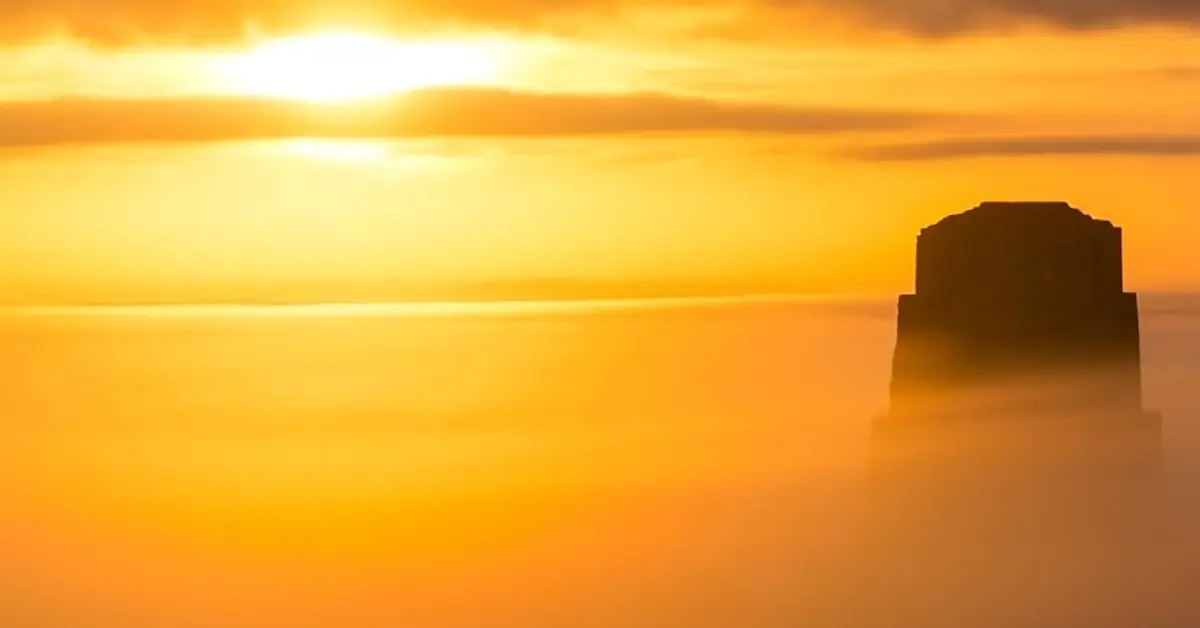
You’ll visit villages with some truly distinct vibes (pottery, painted streets, boat life), spend some time in San Juan La Laguna which is one of the most fascinating villages on the lake, and then decide between a sunrise hike or a cooking day that connects up markets, food and craft in a way that feels natural and effortless.
You land at Guatemala City’s airport and hop on a quick flight to Flores. That flight’s just what you want on day one: it gets you dropped into a calmer, greener world without wasting a whole day on the road.
After your guide meets you at the airport, you’ll head to your hotel either on or close to Flores Island. Flores is one of those places that’s small but perfectly formed – water on all sides, narrow streets and that magical feeling that everything’s within spitting distance of a great view. There’s also a load of history lurking beneath the surface: the island’s closely tied to the Itza Maya stronghold that held out till the end of the colonial period, which helps explain why Petén can sometimes feel like it kept its independence longer than the rest of the country.
The first evening breeze that comes off the lake and drops the heat just so, and the island lights that start coming on one by one, is a moment worth really savoring.
- Two nights in Flores Island
You leave early for Tikal National Park, and the timing really matters. The morning light’s softer, the wildlife’s more active, and you get the ceremonial core of the park before it gets too hot.
This tour isn’t just a checklist walk – it unfolds the way Tikal itself does: slowly at first, then all of a sudden it all clicks into place. You start in the forest, with your guide giving you the scale and setting the scene: the rainforest isn’t just ‘around’ Tikal, it’s the reason so much of it remained hidden for so long. Modern mapping shows that the Maya lowlands here were way more connected and richer in ancient structures than we used to think. When you get that in your head, every causeway, platform and open patch of ground starts to feel intentional.
When you reach the central ceremonial area, Tikal’s design basically slaps you in the face – the Great Plaza is built like a stage for power, monuments placed so crowds could see them, and everything is arranged to frame the ceremony. One side’s dominated by the steep funerary pyramid known as the Temple of the Great Jaguar, tied to royal legacy and meant to project permanence. The other side’s got the Temple II, which completes the symmetry and turns the plaza into a symbolic conversation in stone.
Even if you’ve seen a million photos, standing there feels weirdly different – because the scale just doesn’t work unless you’re inside it. From the plaza, your guide takes you into the parts that most visitors never really think about, the Acropolis areas that underlie the city’s fancy front. In the North Acropolis, it’s like looking through the centuries – temples and platforms built on top of ones that came before them, with tombs hidden into the stone and a layering of time like sediment piling up. Just down the road, the Central Acropolis does things differently again – courtyards, rooms and passageways that feel like government offices and palaces – you can finally picture just how Tikal was a real working city, with people moving through the shade, having meetings and routines, not just a bunch of monuments.
Later on, you head into bigger areas where Tikal feels even older and more spread out. In the Mundo Perdido (“Lost World”) area, this is where the people who built it had the bigger picture in mind – less stuff for their grand theatre, more making it a ceremonial landscape that would last for years to come. This is also one of the places where you feel like the jungle is slowly but surely closing in – the stone worn smooth in places, and even the trees seem to have drawn their own little map.
If the weather’s okay, you end up at a high vantage point with a view over the rainforest – temples poking up through the trees like islands, and it’s quiet as all get out up there. And the thing is, what you can see from up there is just a tiny fraction of what’s really there!
All through the day, the wildlife is part of the picture – not just something that shows up by accident. The howler monkeys sound like thunder in the distance. The spider monkeys swing overhead with confidence. The birds flash through the break in the canopy now and then. Even the quiet bits feel like they’re alive.
Back in Flores, you can take a break for a bit then head back out for a sunset boat trip over Lake Petén Itzá. The lake isn’t just a pretty backdrop – it’s part of the local scene and the way of life. Depending on how things line up with your preferences, the trip can be just about the view, or it can include stopping off in interesting places across the lake, like a wildlife sanctuary or a viewpoint where you can see Flores floating there in the distance.
You fly on back to Guatemala City, then get transferred up to the hills. The change is dramatic – humid air from the lowlands giving way to a higher altitude and then Lake Atitlán appears in its volcanic cradle.
Atitlán is often described as beautiful, and it is, but what people don’t expect is just how alive it feels. The lake is deep and formed in volcanic rock, set around three volcanoes – Atitlán, Tolimán and San Pedro – and has its own rhythm to it. The wind can pick up in a hurry, changing the look of the lake from calm to choppy, and locals and boat captains talk about the lake like it has its own moods. You’ll also hear the stories that circulate around the lake – some folks swear by the therapeutic qualities of the volcanic minerals, and there’s a legend about a serpent-like presence in the depths – often called Chakona or Arcoiris. And yes, you’ll probably hear someone repeat that famous quote about Atitlán being “the most beautiful lake in the world”. Later on you visit three towns that show how Atitlán’s got a lot of character – you get that from walking the streets.
In San Antonio Palopó, local pottery isn’t just something for tourists – it’s part of the town’s identity. You’ll see pottery styles that feel uniquely connected to the place they’re from – often bold, often with colour palettes that stand out from elsewhere on the lake. If you’re in the market for something you might actually keep rather than just a souvenir, this one’s a must.
In Santa Catarina Palopó, the streets and building facades look like a giant canvas come to life. Painted patterns inspired by local textiles give the town a unique look – it’s photogenic, no question, but it also feels like a place that’s lived in – with kids playing, doors open, and daily routines going on as usual.
Then you top it off in Panajachel, the main hub where boats connect, cafes and shops cluster, and you get a real sense of the lake’s rhythm – arrivals, departures, weather changes, and that lively edge that makes Panajachel a great place to base yourself for exploring.
- Two nights in Lake Atitlan
Today it’s all about San Juan La Laguna, one of the most interesting towns on the lake if you want a culture that feels modern and proud.
San Juan La Laguna; A town that’s very much alive and kicking in terms of vibrant culture. If you’re after something that’s urban yet still feels authentic, this really is the place. San Juan is famous for its murals and a community spirit – you’ll see that as soon as you step into the town’s streets. Colour is everywhere – painted walls, little galleries, textiles and tiny workshops hiding away in regular neighbourhoods rather than all bunched up in a ‘tourist area’.
You’re free to do your San Juan in a way that feels right to you: take a leisurely stroll along the mural streets, pop into the local art and craft places, and if you want to get a view of the lake from up high, there’s a spot with a great view just waiting for you. Little things catch your eye too – like natural dye drying on lines, a quiet courtyard, the way the light hits the lake when the clouds move across.
In San Juan, you get to choose your next activity:
If you want to start your day off with a real showstopper, you can head out early to take on the sunrise hike to the Rostro Maya (they call it the Mayan Face or Indian Nose btw). Dawn here is almost like having the place to yourself – the volcano silhouettes are sharp as knives, the lake is darker and calmer before the wind picks up. The ridge line actually does look like a face if you catch it from certain angles, especially from the water.
If food is more your thing, you can instead carry on to San Pedro La Laguna for a proper hands on cooking experience that starts with a visit to the market and ends up with you churning out some proper dishes you can use at home. This isn’t some ‘watch and clap’ class – you cook, you taste, you learn. And the best bit? It’s all connected to the women-led craft groups in the area who are just as interested in weaving as a living as they are in it being a ‘thing from the past’.
You will head down to the coast. The air weighs a bit more, the sun feels cozy, and the sand beneath your feet is a rich, dark volcanic grey that warms up quickly and makes a striking contrast with the white surf.
You check in to your beach hotel in El Paredón or Monterrico and take it easy for the day. You take a wander along the beach, have a rest, let your body slowly adjust to the new surroundings.
If you’ve timed it right, this is also a good time to look at a responsible turtle hatchling release through conservation projects that are working in the area. On Guatemala’s Pacific coast, nesting is usually at its strongest between June and November – sometimes December too – and hatchlings tend to appear between September and early December, depending on how things go. The best experiences are calm and respectful – a quick release, minimal handling, no crowds – and we help make that happen.
- Two nights at the beach
If you chose El Paredón, your day will pretty much be all about the ocean. Surf is the main draw – lessons if you’re a beginner, chill sessions if you’re a pro -. It’s also a coastline you need to have some respect for: currents can be strong, and we’re on hand to help you make the most of your beach time without taking any risks. One of the coolest things here is combining surf time with exploring the mangroves by kayak or little boat. You can trade the salt in the air for lush channels and the sound of birds singing – it’s a great way to unwind. And as the day comes to an end, you’ll probably find yourself on the sand watching the sunset, whether you like to be sociable or on your own.
If you choose Monterrico, it’s all about nature. The mangrove canals are what really make this place shine – especially when it’s early morning or late afternoon and the wildlife is out and about and the air is soft and still. And if you time it right, you might get to be a part of a turtle conservation experience – Monterrico is closely linked to that sort of thing in season. The town has a really laid-back feel, and it’s easy to get into a nice rhythm – beach → canals → a long, unhurried meal.
Breakfast first, then you transfer to Antigua Guatemala. One minute you’re by the sea, the next you’re walking on cobblestones in a city that’s a joy to wander around.
Antigua’s beauty isn’t an accident. It’s a former capital – and those earthquakes that hit it left their mark, which is why so much of what makes it special – like the old Cathedral – has big gaps in the roof. The city’s look reflects that history – thick walls, shorter towers and all that intricate baroque detail designed to weather the storms.
Your walking tour kicks off in the heart of Antigua – Parque Central, the city’s hub. From there you wander through the core sights that give Antigua its character and its story. You visit the Cathedral – where the old and the new collide in a really interesting way – then you head to the Palace of the Captains General, the old heart of the city’s power. You pop out under the Santa Catalina Arch, which was built to join a convent to its school next door – and which is still one of the city’s top landmarks.
Churches and bits of old convent ruins are what make Antigua truly unforgettable. You get to see big old churches like La Merced, with its fancy frontage, and San Francisco el Grande, with its deep connections to the local community. And you get to explore places like Santa Clara and Las Capuchinas, where the old buildings seem to have melded into the city’s daily life – like they’re not abandoned, just part of the place.
We also pop in to some of the city’s museums when they fit naturally – like Casa Santo Domingo, where you get a mix of museum bits and some of the city’s most atmospheric settings. And to round things off, you head to a spot like Cerro de la Cruz, for a view that shows off Antigua’s rooftops and that volcano backdrop, making it quite unmistakable.
For your farewell dinner, you’ll make your way just outside Antigua, to a wee gem of a place called El Tenedor del Cerro – a restaurant set on a hillside overlooking Santo Domingo del Cerro. It’s the perfect spot after a day of wandering around the city – not too far, not too close – so you can take in the awesome views without too much extra effort.
The real draw here though is the setting. As you arrive, all the noise of the city just melts away and – bingo – you get a whole new perspective on things. The view from up here is just stunning – you can gaze out over Antigua’s rooftops and church silhouettes – and on a clear evening Volcano de Agua really stands out against the sky. Watching sunset here is magic – the light changes so quickly – it goes from warm and golden over the valley, then the whole city starts to twinkle and the outline of the volcano gets more defined as the sky darkens.
And that’s just the perfect way to unwind over dinner. The menu’s not too fussy – think Guatemalan and international comfort food rather than anything too formal – which means you can just sit back and enjoy the view, a nice meal and a slow drink or two – a perfect farewell treat for your trip to Antigua.
- One night in Antigua Guatemala
Your trip comes to a close with a hassle free transfer back to Guatemala City International Airport. Your flight is timed to perfection so there’s no need to rush or stress, you’re done tidy and with plenty of time to spare.
map, expenses & price
Expenses included:
-Private transportation.
-Domestic flights.
-Seven nights of hotel accommodations.
-Local professional on-site guides.
-All park entrance fees.
-Tours and excursions as listed.
-Daily breakfast.


