
Central America Itineraries
Follow the volcanic spine of Central America. Surf the warm beaches of El Salvador, stroll Nicaragua’s beautiful colonial squares, and sail across a clear crater lake.
Maya Mysteries, Colonial Cities, and Island Adventures Await.
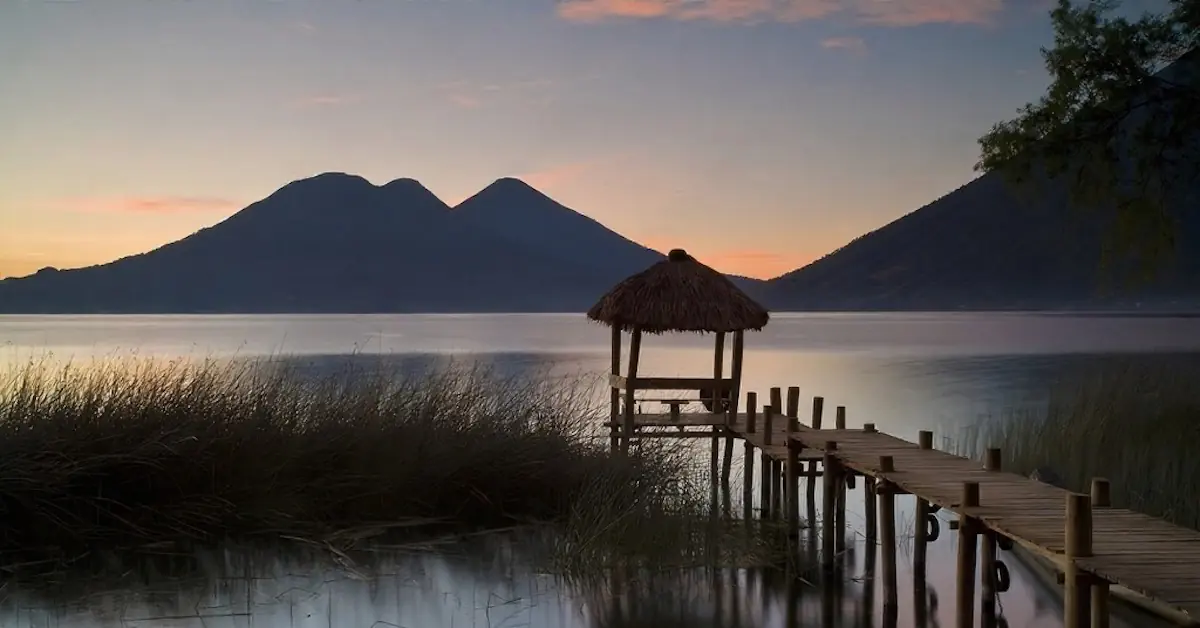
Why settle for one country when you can visit multiples? These two Central America itineraries take you through several countries where you’ll enjoy meeting new people, seeing new places, and exploring everything from lakes to Mayan ruins. In Guatemala, you’ll visit some of the biggest Mayan sites, while El Salvador has volcanoes and beautiful hikes for you to enjoy.
There’s no shortage of beauty on these trips. Whether you want to travel for just a couple of weeks or extend your adventure a little longer, you can squeeze in a lot of adventure in that amount of time. You’ll move through Guatemala, El Salvador, and Nicaragua, experiencing the best that each country has to offer. It’s truly a once-in-a-lifetime trip, no matter which itinerary you choose!
Antigua Guatemala
Step back in time
El Salvador
Land of volcanoes
Lake Managua
A unique freshwater ecosystem
Granada
Colonial architecture and nature
Highlights
Travel is the perfect way to open your mind to the beauty of other cultures and the world. On these Central America itineraries through Guatemala, El Salvador, and Nicaragua, you’ll experience nature, ruins, and more. From the stunning beauty of Lake Atitlan, Tikal, and Yaxha in Guatemala to Lake Suchitlan and Granada in Nicaragua, you’ll have plenty of amazing experiences on either of these two trips.
Take a ferry to Ometepe Island and see the petroglyphs here for yourself. Take a cooking class and learn to prepare local food, visit Rio Dulce and Livingston, hike Cerro Verde and visit multiple volcanoes. If you’re looking for something that will live on in your memories for years to come, this is the itinerary you want.
Itineraries
Upon landing in Guatemala City, you’ll be greeted by our driver and taken to Lake Atitlan, roughly a 3-4 hour drive from the airport. The scenery along the way is beautiful and you’ll glimpse the lake long before we drive the winding road down to Panajachel, the lakeside town you’ll be staying in.
Panajachel sits on the northeast shore of Lake Atitlan, on a relatively flat area, unlike most of the towns around the lake. The name Panajachel comes from the local Kaqchikel language and means “the place of the matasanos,” which refers to a fruit tree that grows in the area. While the town was originally settled by Maya people, the Spanish later took over and turned it into a picturesque colonial town, which included a Catholic church and monastery, which still stands today. The unique blend of Catholic and Mayan traditions make for an interesting religious atmosphere.
During the 60s and 70s, Panajachel was popular among hippies from North America. Since then, it has attracted millions of visitors with its traditional artisans, art, and a rather laid back atmosphere. You’ll have some free time to wander before settling in at the hotel. Take a stroll down Santander Street and check out the quaint shops and cafes, or purchase a souvenir from a street vendor. You should definitely walk down to the boardwalk, as well, where locals and tourists alike enjoy the peaceful view of the lake and its volcanoes.
- Two nights in Panajachel.
Ready to get your adventure started? Have a tasty breakfast before walking down to the dock and boarding a boat for a closer look at some of the many villages around the lake. We’ll be visiting three Maya towns here:
Santa Catarina Palopo: The moment you set foot in Santa Catarina, you’ll be stunned at the painted buildings throughout. The local NGO, Pintando El Camino, worked hard to transform the village into a tourist attraction by painting Mayan designs on participating buildings in shades of blue and purple. The result is nothing short of stunning and when combined with a beautiful view of the volcanoes and lake, it’s truly amazing.
San Juan La Laguna: Every lakeside town has a great view, but the one from San Juan is arguably the best. While still an agricultural town, San Juan La Laguna is very artistic. Women weave with their back-strap looms, create threads with natural dyes, and the buildings here catch the eye with lovely murals depicting Mayan life. You’ll also find plenty of art galleries here to explore and purchase from.
Santiago Atitlan: As the main Tz’utujil Maya center on the lake, Santiago is often considered unique due to its mix of Mayan and Catholic traditions. The town’s main plaza is home to a Catholic church that was a notable part of Guatemala’s civil war. If you climb the steps to enter the church, you will find a memorial that commemorates Father Stanley Rother, who worked with the people during the war and was assassinated in the church doorway for his work.
For activities today, you have two options. If you’re feeling strong and full of energy, we’ll do a hike up the Mayan Face Mountain. If you prefer to chill a bit more and don’t feel like an uphill hike, you can opt for visiting the Mayan market and then doing a cooking class.
Interested in hiking? You can leave at sunrise or later in the day. The sunrise hike is really the most breathtaking, since you’ll reach the summit just in time to watch the sun rise over the distant hills. You’ll need to get up early, but we think it is certainly worth it. You’ll take a boat to Santa Clara while it’s still dark, then climb about an hour to the top of the mountain. There are areas to rest up there as you watch the sun rise over the hills.
If you prefer to leave later, you’ll still enjoy the trip, it just doesn’t have the magical appeal of that pre-dawn hike. The mountain is easier to see, though! It’s often called the Mayan Nose because that’s where you end up at the end of your climb.
Alternatively, if you prefer not to go hiking, we have a cooking class available. You’ll join a local Mayan cook who will explain some of the popular dishes here. Then you’ll take a trip to the market in town to get the ingredients. This is a glimpse at how people live here, purchasing fresh food each day. Walking through the bustling market is a fascinating adventure.
With your food in hand, you’ll return to the kitchen, which is set up on a terrace overlooking the lake. Cooking with a view is a whole new experience! You’ll learn to cook several Guatemalan dishes, then enjoy eating them together with your teacher.
Finish the cooking class by visiting the women’s weaving cooperative nearby. This cooperative helps ensure the traditional weaving methods are passed down to the younger generations. It also ensures fair prices for the textiles the women create. It takes practice and hard work to weave the pieces they sell.
Finally, we’ll return to the hotel and you have the afternoon to explore Panajachel further, or take a boat to another town you’d like to explore.
Before Guatemala City was the capital of the country, Antigua Guatemala was the capital city. Once a thriving central city, it was home to dozens of churches and massive houses built in Spanish colonial style. Unfortunately, earthquakes are common in the region and when a huge one nearly leveled the city in 1773, the residents abandoned the town for Guatemala City.
Today, you’ll leave Lake Atitlan and head to Antigua Guatemala with its cobbled streets and surprising number of foreigners. Our guide will take you on a walking tour throughout the town. It may be small, but there’s no shortage of history here and plenty to see.
You’ll visit the Central Plaza surrounded by government buildings, restaurants, and the main cathedral here. Lush green trees shade the park and its many fountains and you’ll find plenty of indigenous women selling their wares here. You’ll also check out several other churches, including La Merced and San Francisco. Each one has its charm and they’re all connected by underground tunnels, though these tunnels are rarely used these days. Many of the churches are crumbled and only ruins now, and the convents. For example, San Francisco’s church has been restored, but the monastery ruins behind it still lie in shambles.
If you’re interested in learning more about Antigua’s tumultuous history, you can visit some of the museums scattered throughout the town. From the upper levels of many of the ruins, you can spot Agua Volcano, Fuego Volcano (which is active), and Acatenango Volcano, giving the city an eerie otherworldly feel.
In the afternoon, get ready to learn more than you ever imagined about chocolate. A workshop will give you the basics of where chocolate comes from before you can make your own chocolate bars with a variety of flavors. These are yours to take with you when the chocolate workshop or class is over.
- Two nights in Antigua Guatemala
Fuego Volcano isn’t the only active one in the area of Antigua Guatemala. Pacaya is also active and today, you get to climb it. If you’ve never hiked a volcano before, this is a unique experience. (If you’d rather not hike a volcano, skip to the end of the day to see alternatives).
Pacaya has been continuously active since 1961 and occasionally erupts enough that lava flows threaten nearby towns. The indigenous people who live near it consider the volcano a sacred place, but it’s also a very popular tourist attraction. You’ll climb up a steep path that leads through the forest, then along lava rock and sand paths to the top. You can also rent a horse to get up the first section if you don’t want to walk it all.
At the top, where the Mackenney crater is, you can see flowing lava and steam vents. This is the perfect spot to roast the marshmallows your guide will give you . . . right over a hot lava vent.
Coming back down the mountain, you’ll likely feel the strain on your legs. It can be tiring to climb a volcano, but we have the perfect solution! Our next stop is Kawilal Hot Springs, not far from the volcano. The resort features a full spa where you can have the kinks massaged out after the hike, or you can do the hydrotherapy circuit with 12 thermal pools, each with a different temperature to help speed up your recovery. It’s a beautiful place to visit and there’s nothing like soaking in a natural thermal pool after a long walk up a mountain.
If you prefer an alternative to volcano scaling, we’ll do an excursion to nearby colonial towns instead. Quaint villages and coffee plantations that you can visit surround Antigua. It’s a great way to learn more about the local history and economy. We’ll start at San Juan del Obispo, on the slopes of Agua Volcano. Here, we’ll visit the monastery founded by Francisco Marroquin, who was Guatemala’s first bishop, back in the 16th century. The monastery is still inhabited by local nuns who are more than happy to show you around and explain the history of the building with its interior gardens. You can even see the bishop’s original bedroom and some of his furniture.
San Juan del Obispo has stunning views of Antigua from the park, so you’ll definitely want to get some photos before heading to our next destination, Ciudad Vieja.
“Ciudad Vieja” literally means “Old City” and is so named because it was the second capital city of Guatemala. Unfortunately, it was destroyed in 1541 when Agua Volcano’s crater filled with water and caused mudslides to rush through the town. They took many of the pieces from the original church to rebuild in Antigua.
Next to Ciudad Vieja is the Valhalla Macadamia Organic Farm. This family-run farm focuses on sustainable agriculture and education. Here, you’ll find a pleasant restaurant where you can eat everything from macadamia nut pancakes with nut butter to delicious burgers. It’s also home to the most beautiful bathroom in Guatemala, so be sure to check that out while you’re here. You’ll do a little tour to learn more about how the farm operates and how they’ve changed the face of agriculture in Guatemala. You’ll also have a chance to enjoy a facial massage with macadamia oil and can purchase items to take home.
Next, we’ll head to San Antonio Aguas Calientes, a town renowned for its stunning textiles. It’s also the one town known for double sided textiles, where the weavers create the same design on both sides of the item. It takes special skill to do this and you’ll see them working on the designs at the local market.
Our final stop on this excursion is a jade factory in Antigua. Here, you’ll learn about the historical importance of jade to the Maya people, and how it is used today. You’ll also see the various types of jade, ranging from traditional green to pink and even purple. Then it’s back to the hotel.
Early in the morning, we’ll head to the airport in Guatemala City to fly to Peten. You’ll land on Flores Island where a local guide will pick you up and take you to the secluded ruins of Yaxha. This is Guatemala’s third largest Mayan city, and it is a UNESCO World Heritage Site. While not as popular as Tikal, Yaxha has its own fascinating history, including fierce wars fought with Naranjo, another city in the same region. Tikal often played the role of protector, but Yaxha stood strong on its own merit, too.
While Yaxha was active far longer than most other Mayan civilizations, beyond 900 AD, it eventually disappeared into the jungle. Teoberto Maler rediscovered the site in 1904. To this day, it’s still not as popular, but it is a good place to enjoy the peacefulness of nature while you walk through an ancient civilization. From the top of Temple 216, you can see both lakes, Sacnab and Yaxha that provided fresh water and more for the city.
Even if you stay at ground level, you’ll enjoy the structures that were left behind here. From ball courts and plazas to altars and temples, there’s plenty to see and lots of photo opportunities. The Yaxha ruins are often underappreciated, but the city is just as rich in culture and history as nearby cities like Tikal.
After the tour, we’ll return to Flores Island and board a boat for a sunset tour of Lake Peten. Along the route, we’ll stop at a peninsula that juts into the lake where the Mayan site of Tayazal sits. This city covers over a square mile and has quite a few large buildings, including a 30 meter acropolis that is thought to have been a residence for the elite rulers. There are also ceremonial plazas and several stelae. Archeologists have found not only traditional ceramics and burial grounds on the peninsula, but also musket balls from Spanish guns, indicating a chaotic takeover by the invaders. Many of the structures here are still under the jungle, but if you are atop a temple mount, you can look across the lake and see the town of Flores in the distance.
Finally, we will return to the hotel on Flores Island and get some dinner.
- Two nights on Flores Island.
Tikal was one of the first internationally known Mayan ruins. It was featured in National Geographic, the temples appeared in the Star Wars film, and overall, when someone heard about Mayan ruins, they thought of Tikal. Today, we know there are many other places you can visit, but there’s still something extra special about setting foot in this mystical place.
To reach the temples, you’ll need to walk through the jungle, which is bright with the sounds of wildlife. Howler monkeys and birds make plenty of noise as you walk along and you’re likely to spot some local animals, too, before you make your way into the ruins. Again, much of Tikal is still hidden beneath the jungle, but there’s more than enough to give you a solid idea of what the city must have been like in its prime.
For more than 700 years, Tikal was the main economic, political, and military force in the region. It’s thought that around 100,000 people lived here at one point, making it the biggest city in the pre-Columbian Americas. This is why it was such a valuable discovery, as archeologists were able to learn a lot from the artifacts left behind by the Maya. Though rediscovered in 1848, the site was mostly left alone until 1951, when an airstrip was built so researchers could visit easier.
Your guide will give you some unique insights into what life was like here, as you walk through the metropolis and view its ruins.
After thoroughly exploring, we’ll return to the hotel to rest. Tomorrow is a big travel day, so relax while you can.
Today, it’s back to air travel! You’ll board a plane at the Airport Mundo Maya and fly to the El Salvador International Airport. There a driver will meet you and take you to Suchitoto.
- Two nights in Suchitoto.
Today, we’ll explore Suchitoto, a stunning historical town with a tumultuous past. Originally, the Nahua people settled the area. When the Spanish came, they established the city of Suchitoto, making it their base for quite some time. It rapidly became a center for indigo dyeing. You can still visit some of the plantations and the workshops where you’ll see exactly how the Xiquilite plant was turned into a valuable fabric dye.
During El Salvador’s civil war, Suchitoto was a major part of the upheaval, but still has much of the original architecture. As you walk the streets here, you’ll find it’s a very calm and beautiful place. Thanks to the city being built on a hill, you can look out over the lake and see the Guazapa Volcano in the distance.
Suchitoto is full of art, galleries, festivals and various workshops. The city is certainly one that encourages creativity and this is visible as you walk along the cobbled streets and explore the market, shops, and the stunning Santa Lucia Church.
Later, we’ll visit the nearby Los Tercios waterfall. The falls are more exciting during the rainy season, but the interesting rock formations are fascinating any time of year. Basalt columns make up the bulk of the falls, with the water pouring over the hexagonal rocks. These unique formations are created when lava is cooled a certain way and contracts, forming the rare phenomenon. We’ll climb to the top of the falls to see Lake Suchitlan before returning to the hotel.
You’ve seen a bit of El Salvador, but now it’s time to move on to Nicaragua. Our driver will drop you at the airport and you’ll fly to Managua. There, another driver is waiting to take you to your hotel in Leon.
- One night in Leon.
Leon is a fascinating city full of history and culture. There are actually two cities by the same name, one is referred to as Leon Viejo, or the Old Leon. This is where the city was originally built, but it moved to the modern location due to both volcanic eruptions and earthquakes in the 1600s.
The modern Leon played a very important role in Nicaragua’s revolutionary history. This is where the revolutionaries built their plans and where the first uprisings against Carlos Fonseca occurred. You can still see some bullet holes in buildings and the murals that recall the resistance. Your guide will take you through some of the more interesting parts of Leon, including the cathedral, where you’ll climb up to the roof to overlook the city. You’ll also visit the Gallery Ortiz where you can see originals from Picasso and Chagall, and plenty of Latin American art, and Museum Ruben Dario, where you can learn about the life and legacy of Nicaragua’s famous poet, Ruben Dario.
After you’ve seen the modern Leon, it’s time to travel to Leon Viejo. The original city was buried for centuries beneath volcanic rubble which helped preserve it all. It wasn’t rediscovered and excavated until 1967, when archaeologists discovered how perfect everything still looked. A number of the buildings are still in excellent condition, including La Merced church, the Cathedral of Santa Maria de la Gracia, and the Foundry. Not many people come here, so you will find it a relaxing place to visit. It’s an interesting look at a colonial city that has not been updated like most of the cities we’ve been to on this trip.
Finally, we’ll move on to Granada, where you’ll spend the remainder of your trip.
- Three nights in Granada.
Our travels today take us to San Jorge to board a ferry that will take us to Ometepe Island. It’s the largest freshwater island on earth, made up of two volcanoes that are joined by a small piece of land. The landscapes here are stunning and it features pleasant beaches, too. However, there’s more than just volcanoes and beaches, so get ready to really enjoy yourself. History is a big part of Ometepe Island, with evidence of human habitation going back to before 1500 BC. Stones and caves marked with ancient petroglyphs and carved stones abound.
We’ll visit Ojo de Agua, a beautiful natural spring where you can swim in the refreshing cold waters. You’ll spend some time on Santo Domingo Beach, as well. This volcanic sand beach features black sand for most of its length, but head to the northern section and you’ll see white sand patches. The water here is shallow and gentle, so it’s a great place for those who don’t have strong swimming skills.
Charco Verde, an eco-reserve that offers protection to a large number of animal species, is also on our destination list. We will visit the Charco Verde lagoon, a stunning emerald green body of water where you can relax and enjoy nature before we take the ferry back to San Jorge. We’ll then return to Granada for the night.
Today, we’ll stay close to the hotel and explore the city of Granada. Granada is the oldest European-founded city in the Americas. Francisco Hernandez de Cordoba, a Spanish conquistador, built the settlement in 1524. Over the years, Granada grew and fought Leon for place as the top city in the country. Eventually, because of political conflicts, Managua was built to serve as a politically neutral capital city.
Granada is a UNESCO World Heritage Site and for good reason. Not only does it have an incredible history, but it’s a beautiful city that attracts creatives of all types. You’ll visit several of the colonial churches, including San Francisco, La Merced, and the neoclassical cathedral. You’ll also learn about the pirates that once attacked on the river and occasionally managed to occupy the city.
The colonial architecture here really makes the city special. Brightly colored buildings with tile roofs make the area feel like you’re stepping back through time. Spend some time in La Polvera Fortress designed to prevent pirate attacks on the city. Then we’ll visit a cemetery where some of the tombs are over four centuries old.
It’s a great way to spend your final full day of the tour.
Your trip to Central America is over, so we’ll take you to the airport for your flight. There’s still plenty to explore if you’d like to join us in the future! We look forward to seeing you again.
You’ll fly into Guatemala City International Airport, where our driver awaits you. You’ll be taken to the hotel in Guatemala City where you can recover from your flight, take a stroll in the warm climate of Guatemala, or practice your Spanish by going out to eat.
- One night in Guatemala City.
Enjoy breakfast at the hotel, then get ready for a pleasant drive to Lake Atitlan. This beautiful turquoise lake sits in the crater of a long-extinct volcano, making for some incredible views as you wind down the hillsides to the lakeside towns. Three volcanoes lie to the south, Volcano Atitlan, Volcano Toliman, and Volcano San Pedro.
Around the lake’s edge are 12 indigenous villages. Kaqchikel and Tz’utujil people mainly inhabit these and the towns tend to be filled with traditional customs, clothing, and languages. This is one of the few areas in Guatemala where you’ll see men wearing Mayan clothing. Women wear huipiles, or woven blouses, with designs on them that indicate which town they’re from. Their skirts or cortes are made of a large piece of cloth wrapped multiple times around their waists and bound with a faja or woven belt. Again, the fabric indicates where a woman is from. Some towns also have headpieces to go with the traditional outfit. If you’ve ever wondered what you’d look like in traditional Mayan clothing, you can try it out at the market here.
Once you’ve arrived in Santa Catarina Palopo, also known as Blue Town, you’ll drop off your luggage and we’ll head right back out again to see the sights. This town is absolutely beautiful, thanks to Pintando el Cambio, an NGO that has now painted over 850 buildings in town with traditional designs. Not only has the painting project boosted its renown as a tourist destination, it’s also made life for the townsfolk better. To take part in the paint project, families must send their children to school and commit to tidying the area around their home regularly. This results in a clean town with well-educated children.
You’ll spot plenty of women here weaving on their back-strap looms. Many of the designs are similar to those on the buildings around them.
Enjoy your tour and then return to the hotel for some relaxation time
- Two nights at Lake Atitlan.
We’ll leave in the morning for a boat tour. While there are a dozen villages around the lake, time only permits us to explore three of the more interesting ones. We’ll head straight across the lake for our first stop. Early in the morning, the lake is calm, and you can enjoy watching fishermen paddling in their dugout canoes, tourists paddle boarding or kayaking, and local children jumping off the docks.
Our first town is Santiago Atitlan. Santiago is well known for its crafts, which you’ll see as soon as you step off the dock. The road into town leads up the hill and is lined with vendors selling everything from carved wooden items to delicately woven textiles. The Weaving Center and Museum of Cojolya, which helps women weavers get fair prices for their work, is based in Santiago.
We’ll get back on the boat to travel to San Juan La Laguna next. Located on the western side of the lake, this town is mainly made up of Tz’utujil Maya. It’s also a hub for weaving and is home to several weaving cooperatives that sell their wares both locally and internationally. Despite the big emphasis on textiles, farming is the primary source of income for those living in San Juan. They grow corn, coffee, avocados, and even cacao on the hillsides above the lake. It’s a laid-back town where people are more than happy to chat with you and show you what they’re working on.
Our last stop is San Marcos La Laguna. Many consider this to be the most picturesque town on the lake and it’s also a spiritual hub. Many foreigners show up here, eager for holistic healing and taking part in spiritual or yoga retreats. Not only are there more modern experiences, there are also Mayan shamans and services offered, too. The mix of indigenous people and foreign visitors makes the town quite interesting to visit. Enjoy a cup of coffee and take in the stunning views of the volcanoes before we head back to the hotel.
Today, we leave Lake Atitlan for Antigua Guatemala and we’ll stop at Iximche in Tecpan. Iximche is a pre-Columbian archeological site that once served as the capital of Guatemala and the Kaqchikel Maya kingdom.
The drive to Iximche is a beautiful one, winding through forests of pine trees and open clearings where farmers raise sheep and cattle. It’s also cool here in the Guatemalan Highlands, and the air is fresh and pure. Just outside the ruins, there’s a public park where families can picnic and enjoy nature. We’ll bypass this and head straight into the ruins.
Iximche consists of six plazas, each with a pyramid temple and palace. Two of the plazas also feature large ball courts. While much of the city has been long destroyed, there’s enough left of the structures to let you imagine what it was like as a fully formed city. You can also check out the scale model in the small museum at the entrance.
As you explore each area, you’ll find a path leading to the final plaza, at the edge of a cliff. This section is still in use today by the Maya people who live in the area. They consider it a sacred site and perform rituals here on small altars. You’ll see evidence of these rituals and may even spot a group performing one while you’re in the ruins.
Once you’ve seen these Mayan ruins, we’ll continue on to Antigua Guatemala.
- Two nights in Antigua Guatemala.
Today, we visit the UNESCO World Heritage Site of Antigua Guatemala. In the morning, our guide will take you on a walk around the town to show you the various sights here. Antigua was once a thriving colonial town and Catholic priests built more than 30 convents, churches, and monasteries at the time. Many of these were destroyed in the 1773 earthquake that shattered the city and rendered it nearly inhabitable, but several have been at least partially restored. You can enter the ones that are still in use today, such as the Cathedral at Central Park, La Merced, and San Francisco. You’ll pause for some photos under the famous yellow arch, too.
Check out some interesting museums that many tourists miss. You can learn a lot about a city by the way its museums are set up and cared for. There are plenty of beautiful places to visit, from tree-lined streets, the park filled with jacaranda trees, and some of the ruins that still show their original beauty in the pieces that remain standing. After the sightseeing, we’ll head to a mini-chocolate workshop. You’ll learn how chocolate is made and have the chance to examine a cacao pod for yourself. Then it’s time to make some chocolate! Choose from milk or dark chocolate and mix in your own flavors and toppings to create the most perfect chocolate bar ever. You can take it back to the hotel with you.
We’ll leave Antigua early in the morning for Guatemala City where we’ll board a domestic flight to Flores Island in Peten. From there, we’ll head to the Mayan ruins of Yaxha, once one of the largest and most significant cities in the Peten area. The name means blue-green water and refers to the nearby Lake Yaxha with its turquoise waters.
Yaxha was one of the last Mayan cities to collapse in this area. As other cities began their decline, Yaxha actually grew by taking in people who were leaving the other cities in 900 AD. This means it is one of the longest occupied Mayan civilizations in the region, from the Middle Preclassic period (1000-350 BC) through the Postclassic period (beyond 900 AD).
We’ll walk through the ruins and explore several large plazas, each with its own buildings and structures. Throughout Yaxha, there are 13 altars and over 40 stelae carved with historical information. Thanks to these carvings, we know that Yaxha frequently fought with Naranjo and spent time under Tikal’s protection. Perhaps the most fascinating thing you’ll see here is the sacbeob, raised stone roads. These fascinating roads were built above the forest floor and linked city centers with outlying communities and even other cities. The sheer amount of work to go into a project like this is incredible, but even more so was the engineering involved that kept these roads in decent shape after hundreds of years under the jungle overgrowth. They were also topped with limestone so the roads were easy to see at night, as they reflected the moonlight.
Like other similar ruins, many of the buildings are still hidden away under the jungle. Though archeologists know there’s more to discover, it’s slow going. Each section must be studied and stabilized before they can search out near areas and there are so many places to study in Guatemala. You’ll learn more about what they found in the Yaxha ruins as you explore.
Finally, we’ll head to Tikal National Park, where you’ll stay in the jungle lodge.
- Two nights in Tikal.
You’ll get to see a sight that very few who are alive have seen. We’ll rise early and trek through the jungle with a guide to Temple IV. Make sure you look up at some point . . . this is the clearest view you’ll have of the stars. The 212 foot temple is the tallest in the ruins and you’ll climb to the top just in time to see the sun rising over the jungle. It’s a glorious, unforgettable sight, as the golden light stretches over the green trees and then the temples. Nearby birds begin to wake up and the monkeys howl as they wake up.
After that stunning display, we’ll head back to the lodge to enjoy a leisurely breakfast, then it’s off to the ruins again. This time, you can explore in full daylight to truly appreciate the majestic temples, carved stelae, and the other structures that have been rescued from the jungle. LIDAR technology shows us that there are still thousands of structures buried beneath the greenery. Tikal was huge, but it also connected to a number of satellite cities. Trade routes were well established here.
While it’s fascinating just to see the ball courts, altars, and other buildings, you may be interested to know that they’re more than just buildings in some cases. For example, if you clap near a temple, the sound reverberates and turns into the sound of a quetzal bird, the national bird of Guatemala. The people who lived here were passionate about their work, creating buildings that would last for centuries and that carry secrets we can still discover to this day.
Today, you’ll get to see another unique part of Guatemala. We’ll drive to Rio Dulce or “Sweet River” so named because it is fresh water flowing into the Caribbean Sea. There, we’ll board a boat for the hour-long ride to Livingston, a town accessible only by boat. The voyage is beautiful because mangroves line part of the river, followed by limestone cliffs with clinging trees and vines. Along the way, you’ll spot families who live on the riverbanks, each with a boat of their own to get around, since there are no roads out here.
We’ll also pass the Castle of San Felipe de Lara, a Spanish Fort that once held pirates at bay. But it’s the final stretch of the ride that is the most exciting. The river narrows slightly before reaching Livingston. Here, a unique culture has evolved, developing from the Garifuna culture mixed with Guatemala’s Latino culture. With limited access to the rest of the country, Livingston is extremely laid back. It has a Caribbean vibe and some stunning views.
You’ll stay in a hotel with a dock that juts into the Caribbean Sea. Enjoy fresh seafood and some relaxation time or take a dip in the warm water.
- One night in Livingston.
We’ll do the reverse trip via boat this morning and you can enjoy being out on the water after a chill evening on the sea. Once we reach Rio Dulce, the town, we’ll get into a vehicle to drive to Quirigua.
This Mayan city is best known for its stelae, which are some of the tallest and most intricately decorated ones in the Mayan World. The tallest stands 33 feet tall and is covered in hieroglyphics and zoomorphic motifs. Thanks to the stelae, historians have learned an immense amount about Mayan history, religion, and even politics.
Originally, Quirigua was a vassal state under Copan. However, in 738 AD, King K’ak’ Tiliw Chan Yopaat rose against Copan and defeated the city by sacrificing the city’s ruler. After that, Quirigua was an independent city.
To this day, the city is impressive, despite being in ruins. The Great Plaza is still the largest public space in the Maya world. Its ceremonial complexes, pyramids and terraces also indicate that the residents were wealthy enough to enjoy art and sculpture. Thanks to its outstanding artistry and historical significance, it was declared a UNESCO World Heritage Site.
After you’ve had your fill of this amazing ruined city, we’ll cross the border into Honduras and continue on to the town of Copan.
Two nights in Copan
Located in western Honduras, Copan is a famous Mayan city that served an important political and religious purpose from 250 to 900 CE. Many people visit the site because of its impressive hieroglyphs and sculptures.
It’s a short drive from the town of Copan to the ruins. Here, you’ll have a chance to see the famous Hieroglyphic Stairway with 63 steps inscribed with glyphs that tell the history of Copan’s rulers. You’ll also get to walk the ancient streets between pyramid temples and examine the world’s most elaborate ball court, with special carvings over the rings.
Copan was founded by Yax Kuk Mo, who migrated from the Tikal area, around 426 CE. He was later buried under the Rosalila Temple. The city is an outstanding example of Mayan engineering skills. Since they had no metal tools, everything was made using tools of stone, bone, and jade. The volcanic rock that was used to create the stone sculptures must have taken a long time with these tools, but they persevered.
Interestingly, Copan is one of the few ruins where you can see the underlying structures. Often, Mayans built their cities atop other cities and Copan is no exception Through archaeological tunnels, you can see the excavated buildings beneath the visible ones, including an entire temple. It’s a fascinating glimpse into the structure of the city that only a handful of people get to see.
We’ll return to the quaint colonial town of Copan where you can spend the rest of the day walking around and exploring on your own.
We’ll get up early to travel across another border, into El Salvador. We’ll be staying a few nights in Suchitoto, a beautiful colonial town that sits atop a hill overlooking Lake Suchitlan.
- Three nights in Suchitoto.
Today is a choose-your-own-adventure kind of day. We’ll explore both the lake and Suchitoto, but how we do it is up to you!
Option A) Leave early in the morning for a 6 am boat tour for birdwatchers. You’ll take a boat out on the lake to explore the various ecosystems of Lake Suchitlan, including wetlands, islands, and forested shores. Experts say there are over 300 bird species living in the area, so you’re bound to see quite a few different ones. You can expect to see kingfishers, herons, ducks, parrots, toucans, and woodpeckers, to name just a few. After the three hour boat tour, we’ll enjoy breakfast before the city tour of Suchitoto.
Option B) You can sleep in for this option and we’ll take a boat tour of Lake Suchitlan at 11 am. This one is focused on history, including the indigenous Nahua people who first settled here. Later, the Spanish moved in and formed Suchitoto’s modern look. We’ll do our city tour after lunch.
Option C) For those who prefer a sunset boat tour, we’ll start the city tour of Suchitoto in the morning and leave on the boat in the late afternoon. You’ll get to see the islands and wetlands on the lake before we find the perfect spot to watch the sun sink below the horizon. Then it’s back to the hotel to relax before tomorrow’s adventure.
Today, we will drive to Joya de Ceren for our first stop of the day. This site is often referred to as the Pompei of the Americas, since it was buried in volcanic ash just like Pompei. Similar to the Italian city, Joya de Ceren was well preserved in the ash, since 560 AD and has provided archaeologists with a lot of information on how the Maya people lived. Details that aren’t found in any other ruin were found here, including thatched roofs, ceramics, and even food residue. The one thing that was not found here? Human bodies. Apparently the people had enough warning that the Caldera Volcano was about to erupt and they were able to evacuate.
Our next stop is Lake Coatepeque. The word “Coatepeque” means hill of snakes in Nahuatl, which may give you some pause. However, the lake is a stunning place to visit, with deep blue waters that are up to 115 meters deep. We’ll enjoy a delicious lunch while looking out over the lake. The fascinating water colors change throughout the day as the sun moves and the light shifts.
In the center of the lake is an island that has long served as a valuable ritual site for indigenous people. This island, Teopan Island, sits far enough out that many tourists never even know of its existence. However, locals really enjoy having summer houses out on the lake and they speed past the island regularly on speed boats and water skis.
After lunch, we’ll continue on to Cerro Verde for a 45 minute hike. Cerro Verde is actually an extinct volcano located in the Los Volcanes National Park in El Salvador. Three volcanoes make up the park, including Santa Ana, which is active and the Izalco Volcano, so the views are something else.
Cerro Verde is considered dormant since it’s been more than 25,000 years since it last erupted. With no lava or thermal issues, the crater has filled up with cloud forest. We’ll hike up through the forest, keeping an eye out for unique birds that make the area their home, and delicate orchids that love the humid climate. From the summit, on a clear day, you can see the Pacific Ocean, and the other volcanoes.
After the stunning view and a lovely hike, we’ll stop for coffee and dessert before returning to Suchitoto. You deserve it after all the walking you’ve done!
It’s time to leave El Salvador. Our driver will take you to the International Airport of El Salvador for a flight to Nicaragua. It’s a pretty short flight and a driver will greet you in Managua to drive you to Leon in the northern area of Nicaragua. Once settled in the hotel, you have the rest of the day free for exploring.
- Two nights in Leon.
You may have done a little looking around last night, but today you’ll embark on an actual tour of Leon. We’ll visit some of the more important sites in Leon, which include:
The Cathedral: This stunning building dates back to colonial days and is quite beautiful inside and out. After you’ve admired the interior, climb up onto the roof to get a bird’s eye view of the city.
La Recoleccion: A church built in the Baroque style, this bright yellow church is something else. During the 19th century, Jesuits who were banned from Guatemala were sent here and established a school.
El Calvario: Standing proud at the end of Calle Real in Leon, this church marks the start of the old city and the end of the more modern section. It’s a mix of neoclassical and baroque styles, making it quite interesting to look at. You’ll find life-size sculptures of Jesus and the two thieves from the crosses inside the church, and a beautiful silver altar.
Ortiz-Gurdian Arts Museum: Considered the best contemporary art museum in Central America, this museum is actually inside restored colonial mansions from the 18th and 19th centuries. You can view plenty of Latin American art from Diego Rivera, Wilfredo Lam, Rufino Tamayo, and others. There’s also a section for more international artists like Matisse, Rubens, and Picasso.
Local Market: This is where locals buy what they need for their home and pantry. You’ll wind through the narrow passages, past vendors selling fresh fruits and vegetables, clothing new and used, and anything else you might need in life. It’s a hectic place and a lot of fun to see in person.
After the tour, we’ll enjoy lunch in Leon and then head back to the hotel for some down time, since we’ll be hiking in the afternoon. The trip to Cerro Negro is in a 4×4 vehicle, but from the entrance, we’ll climb to the summit, a trek that takes around an hour.
As Central America’s youngest volcano, Cerro Negro is quite active and still spews ash and lava from time to time. We’ll hike up to the top and check out the stunning view of the entire mountain range, Los Maribios. You can watch the sunset over the Pacific Ocean from here.
Then it’s time to go back down . . . either walking or jumping in the thick volcanic ash. It’s like walking through snow!
Now that you’ve worked up an appetite, we’ll enjoy a caballo bayo dinner, or a feast of many different Nicaraguan foods. From blood sausage and crispy pork to shredded and stewed meats, refried beans and many other dishes, you have a lot of food to choose from!
Get ready for an eventful day that starts with a visit to the once-buried city of Leon Viejo. This was the first site of Leon, but when earthquakes and volcanic eruptions threatened the city, its residents moved to the current Leon. The original city was eventually buried under ash and rubble, not to be seen again for several centuries.
Unlike Mayan ruins, Spanish conquistadores built Leon Viejo and used a standard grid design for the streets, revolving around a central plaza. With everyone abandoning the city, there are no modern updates to shift the look. Instead, it appears just as it did during its prime. You can now walk the streets and look at the old buildings, many of which are still in good condition. However, storms have damaged some structures in recent years, including La Merced convent and La Fortaleza.
After our visit to old Leon, we’ll drive to San Jorge on the shore of Lake Nicaragua and board a ferry to Ometepe Island. This Island is hourglass shaped, with a volcano on either end, but it’s also inhabited by a variety of people. We’ll head straight to a community of women who have developed a sustainable village hotel, where you can eat and spend the night with a family. This homestay experience is the best way to see how the locals live and gives you a chance to talk with someone who lives here. It’s definitely a wonderful experience to stay in rural housing with a local family. You’ll help prepare your own dinner and while you eat, you can enjoy tasting Jamaican wine made right here in La Paloma village.
- One night on Ometepe.
Ready to explore one of the most intriguing islands in Central America? We’ll leave the village after breakfast and head to the Magdalena Coffee Farm to hike. This organic coffee farm cooperative covers 350 hectares and is known for its organic honey, coffee, and a variety of produce. Much of their coffee is exported, but you can taste some here on the farm and purchase bags to take home.
We’ll follow a trail across the farm where you can see petroglyphs from pre-Columbian times. The basalt rocks with these carvings are scattered around the farm, between banana trees and coffee plantations, so it’s a little like a treasure hunt to find them all.
Next, we’ll move on to Ojo de Agua for lunch. You can enjoy a swim in the surprisingly chilly waters of the natural spring here, if you need to cool down. There are two pools available to soak or swim in and the surrounding jungle is full of birds and monkeys, making it truly feel like paradise.
Our next destination is back on the mainland, at Masaya Volcano National Park. This is your chance to see lava up close as we’ll climb to the highest crater and wait until the evening to head to the active crater. Here, you can peer over the edge and look into what appears to be the mouth of hell, with bubbling lava. This is something very few people experience in their lives and it is absolutely breathtaking.
Finally, we’ll head to Granada for the night.
- Two nights in Granada.
Get a closer look at the colonial city of Granada on your final day in Central America. Your day begins with a visit to the traditional fruit and spice market in the city center. The market is always bustling and you’ll find everything from fruits and vegetables to household goods for sale here. Then it’s off to La Merced church where you can admire the intricate details of the interior and climb to the bell tower for a stunning view of the city.
Granada is one of the oldest colonial cities in the Americas that hasn’t been moved. Francisco Hernandez de Cordoba founded the city in 1524 at the base of the Mombacho Volcano. It’s also right on the shore of Lake Nicaragua, so it was originally a main target for pirates coming up the San Juan River from the Caribbean.
Today, the colonial look remains a major part of Granada, but it’s an industrial and commercial center, and a hotspot for tourists looking for a base for their adventures. Just walking around the city and looking at the plazas and shops is an interesting outing.
We’ll eat lunch downtown, then you can wander on your own until later in the afternoon. Around 4 pm, we’ll get on a boat and head out to visit the Isletas de Granada. This archipelago is formed by over 300 tiny islands that are a tangle of jungle and home to plenty of birds. Sit back, relax, and watch the sunset over the little islands. It’s the perfect way to finish an amazing trip.
Thank you for traveling with us. Today, we’ll take you to the airport in Managua and you can board your flight home. We hope to see you again for another great adventure.
map, expenses & price
Central America Itineraries
Expenses included:
-Private transportation.
-Hotel accommodations.
-Domestic flights.
-Professional certified guides.
-All park entrance fees.
-Tours and excursions as listed.
-Daily breakfasts.


